

KYU RANK PROMOTION IN JUDO
In the United States, kyu rank promotion in judo is carried out within club and regional systems, supported by national organizations such as:
* USA Judo (the official national federation recognized by the U.S. Olympic Committee)

White Belt Y
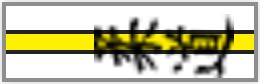
10th Jyu Kyu (white/yellow belt) XW

9th Kyu Kyu (yellow belt) 9th Kyu VU
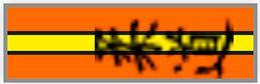
8th Hachi Kyu (yellow/orange belt) TS

7th Shichi Kyu (orange belt) 8th Kyu RQ

6th Rokyu (orange/green belt) PO

5th Gokyu (green belt) 6th Kyu NM
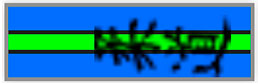
4th Yonkyu (green/blue belt) LK

3rd Sankyu (blue belt) 4th Kyu JI
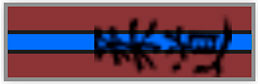
2nd Nikyu (blue/Bruyn) HG

1st Ikkyu (purple belt) 1th Kyu FE

Black Belt D (1st Dan, 2nd Dan, 3rd Dan, 4th Dan, 5th Dan)
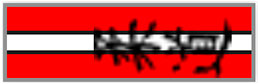
Red & White Belt С (6th Dan, 7th Dan, 8th Dan)

Red Belt С (9th Dan, 10th Dan)



Judo Belt Examination
Dynamo Sports Center
The judo belt examination at Dynamo Sports Center is conducted for children and teenagers who are completing the next stage of rank advancement. The examination is an essential part of the training process and is carried out in accordance with the requirements and standards of USA Judo.
The examination is designed to evaluate athletes’ technical skills, determine their current level of preparation, stimulate continued participation in sports, and increase long-term involvement in judo.
Judo Rank Advancement Examination
The process of obtaining a new judo belt at Dynamo Sports Center begins with the scheduling of the examination.
The examination is typically conducted in January; however, at the discretion of the coach, the dates may be adjusted depending on the training process, athletes’ readiness, and organizational conditions.
The date and time of the examination are assigned by the coaching staff and communicated to athletes and their parents in advance. The coach notifies athletes ahead of time about the upcoming test for the next belt.
The testing period generally lasts approximately two weeks, depending on the number of athletes and whether each athlete passes or does not pass the examination.
Coaches conduct the examination and evaluate each athlete’s level of preparation. Based on the examination results, it is determined whether the athlete is ready for rank advancement and which belt and rank may be awarded.
Only athletes who meet the requirements of the training program and are deemed ready by the coaching staff are allowed to participate in the examination.
Preparation for the Next Belt and Promotion Order
Athletes have the opportunity to familiarize themselves in advance with the requirements for the next belt.
On the official Dynamo Sports Center website, in the Belts section, information is provided about the belt progression system and the requirements for each level.
Belt promotion follows an established progression system. For example:
- if an athlete holds a white belt, the next belt awarded is white–yellow;
- if an athlete holds a white–yellow belt, the next belt awarded is yellow;
- if an athlete holds a yellow belt, the next belt awarded is yellow–orange;
- and so on, according to the established promotion system.
This allows athletes to determine in advance which belt is next and to prepare purposefully for the examination.
The technical execution of throws and other elements is practiced regularly and in detail during training sessions. The coach teaches athletes proper technique, movement control, and the requirements for each technical element.
The names of throws, as well as the list of technical elements corresponding to each rank, are also available for athletes to review on the official Dynamo Sports Center website.
How the Judo Belt Examination Is Conducted
The examination is held at a scheduled time. Typically, each athlete is given approximately three minutes to demonstrate their techniques.
During the examination, the athlete demonstrates:
- judo techniques appropriate to the tested rank;
- throws and basic technical elements;
- correct form, control, and understanding of movements.
The coach calls out a technical element, after which the athlete performs it. During the examination, the coach may provide guidance or prompts to assist the athlete in executing the technique correctly.
Photo and Video Recording During the Examination
Photo and video recording may be conducted during the examination. Parents may observe the examination process via a video camera or screen.
A banner displaying the Dynamo Sports Center and USA Judo logos is placed on the tatami. Athletes waiting for their turn sit in a line on the mat and observe their teammates performing their techniques.
Purpose of the Judo Belt Examination
The judo belt examination is conducted in order to:
- assess and improve athletes’ technical skill levels;
- motivate consistent training and athletic development;
- encourage continued participation in sports;
- officially designate and confirm an athlete’s rank in judo;
- promote judo in the United States of America in accordance with USA Judo standards;
- develop discipline, respect, and sportsmanship.
Rank Approval, Record Keeping, and Certification Process
Based on the examination results, the coach makes the final decision regarding the athlete’s rank advancement.
The coach is required to maintain a special record log, documenting the following information for each athlete:
- whether the athlete passed or did not pass the rank advancement examination;
- the belt and corresponding rank awarded;
- whether the required standards for the rank were met or not met;
- the belt size to be awarded to the athlete.
After the examination is completed, the coach provides all recorded information to the Dynamo Sports Center management.
Production of Personalized Certificates
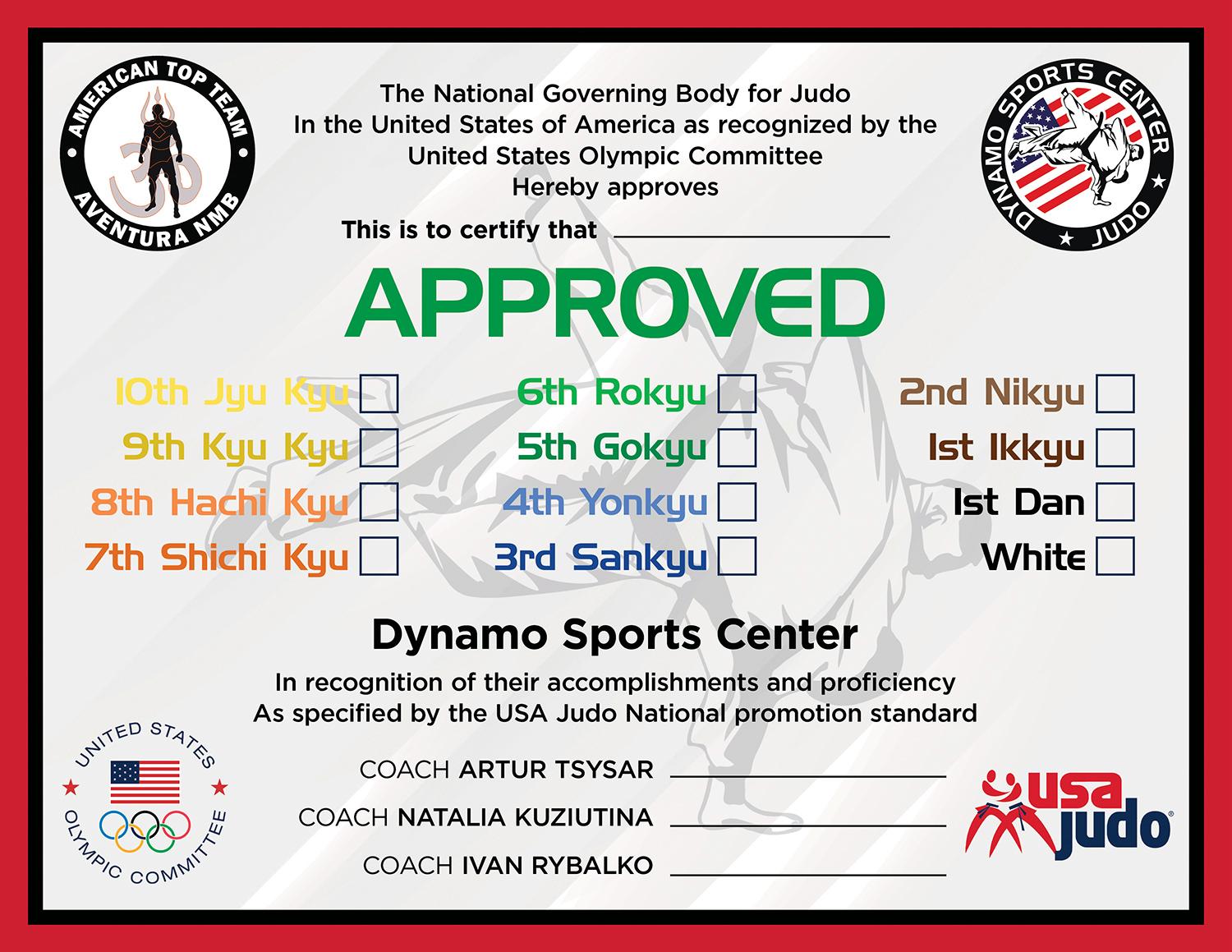
Based on the information provided by the coach, the club management arranges the production of personalized certificates for each athlete.
The following information is required to produce the certificates:
- athlete’s first and last name;
- examination result (passed / not passed);
- confirmation of meeting or not meeting the standards for the corresponding rank;
- awarded rank and belt;
- belt size;
- athlete’s photograph;
- a completed and approved certificate template.
Approve Certificate and Belt Ceremony
After successfully passing the examination, the athlete is first issued an approve certificate, confirming successful completion of the examination and approval of the corresponding judo rank. A group photo is also taken with the coaches who conducted the examination.
After the personalized certificates are produced, a belt ceremony is scheduled, during which the athlete is presented with:
- an official certificate indicating the awarded rank and belt;
- the corresponding belt in the appropriate size.
The coach bears full responsibility for the accuracy of the information provided and for the rank advancement decision in accordance with USA Judo rules.
United States
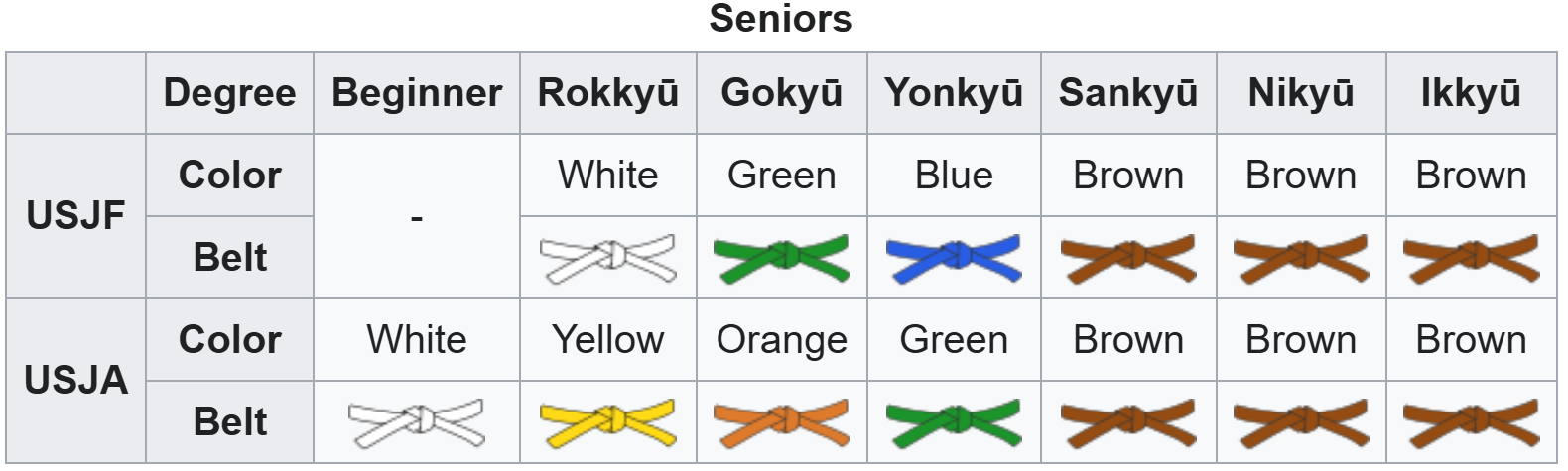
In the United States, dan ranks are awarded only to senior practitioners, typically those aged 16 and older. These ranks are indicated by wearing standardized belts. Both the United States Judo Federation (USJF) and the United States Judo Association (USJA) follow the same system for recognizing dan grades.
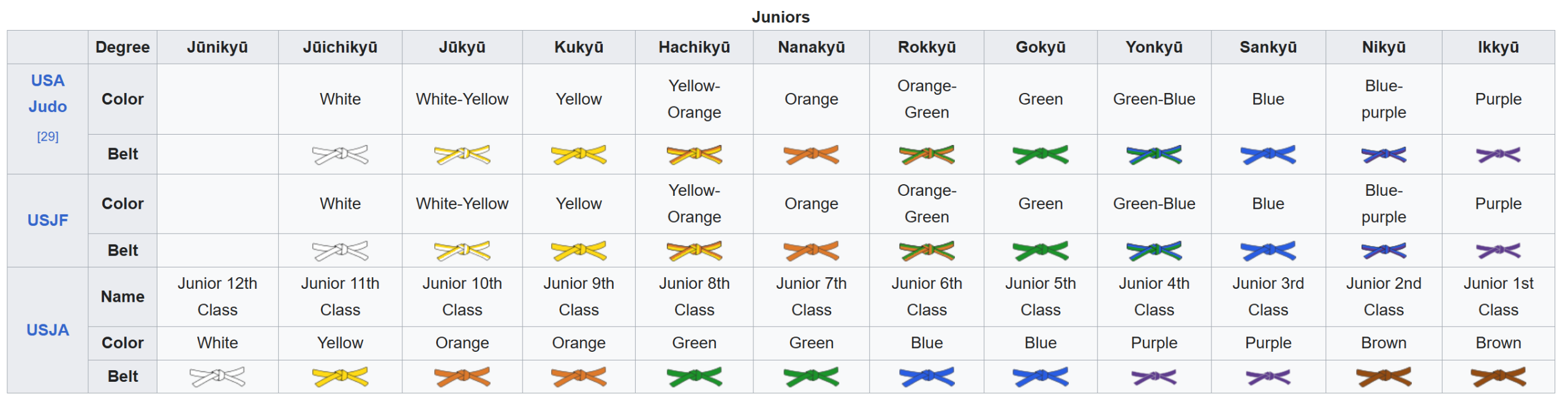
Advanced kyū ranks may be obtained by both seniors and juniors (practitioners under the age of 16) and are represented by belts in various colors, excluding black, coral, and red. The sequence of belt colors may differ between dōjō, depending on their organizational affiliation.
Seniors
For adult practitioners, both the USJF and the USJA define a system consisting of six kyū ranks, as shown in the table. Similar to the approach used in Brazilian Jiu-Jitsu, the USJA requires beginners who have not yet attained a kyū rank to wear a plain white belt until they successfully test for the yellow belt. Additionally, practitioners holding 4th or 5th dan are required to wear red-and-black coral belts, while those with 6th through 8th dan wear red-and-white coral belts. The USJA also advises the use of an identifying patch that indicates rank for brown kyū holders and all dan-level practitioners.
Juniors
- A yellow belt is converted to 6th kyū (rokkyū)
- An orange belt is converted to 5th kyū (gokyū)
- A green belt is converted to 4th kyū (yonkyū)
- A blue belt or any higher rank is converted to 3rd kyū (sankyū)
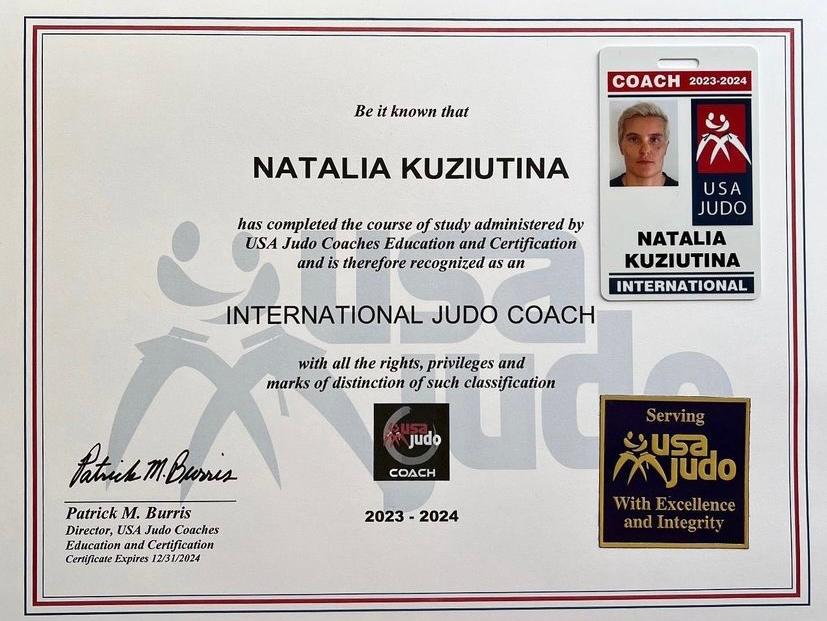
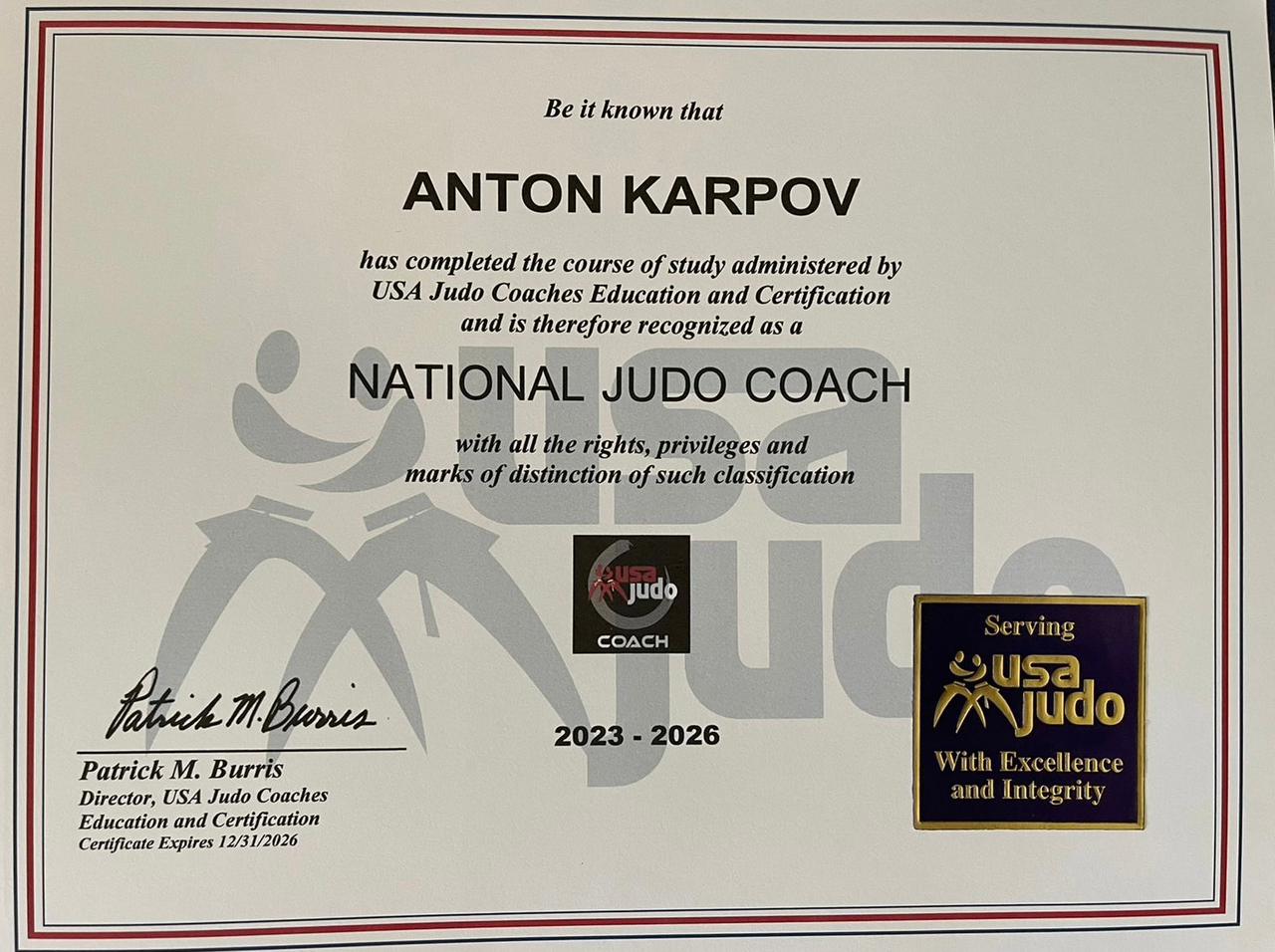
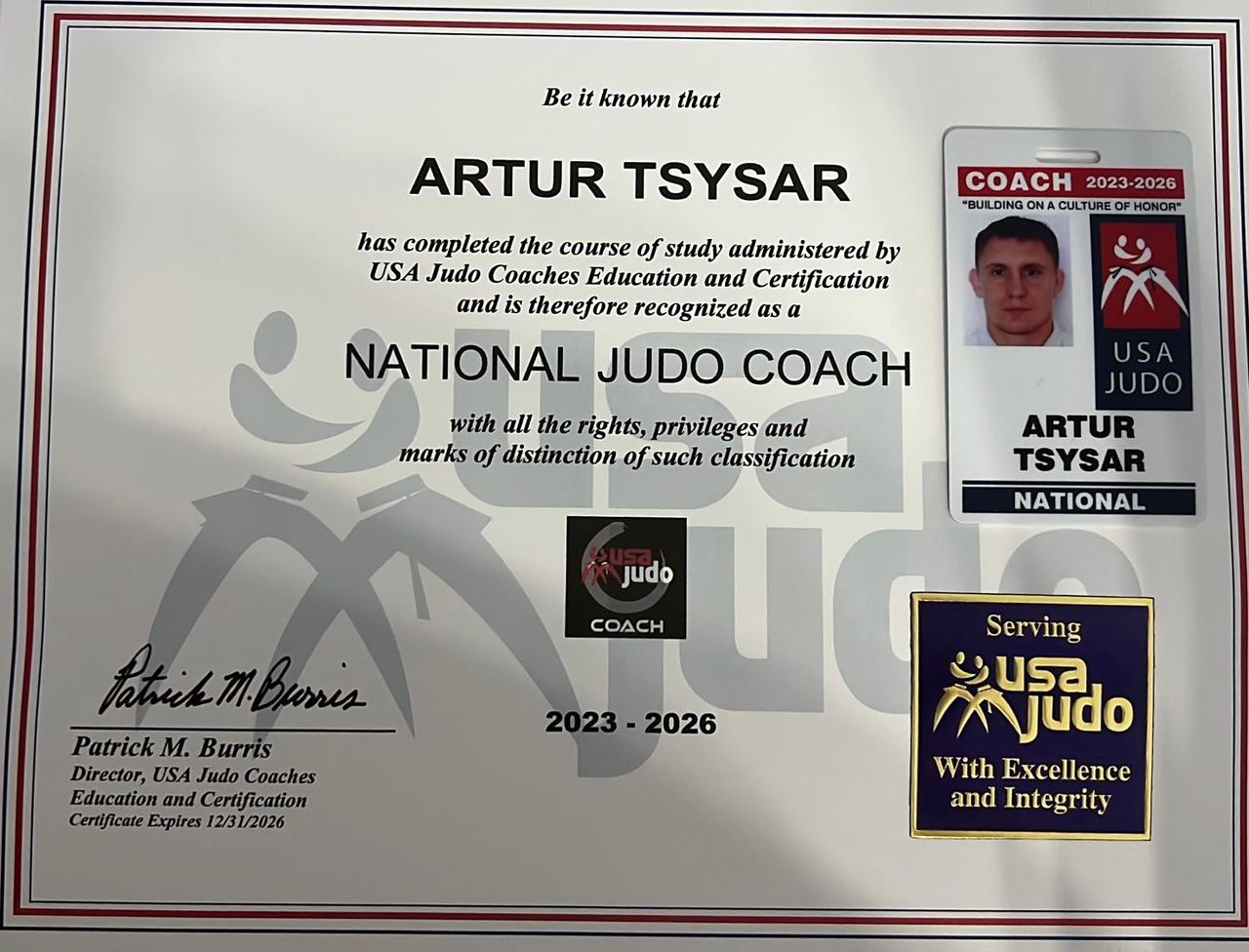
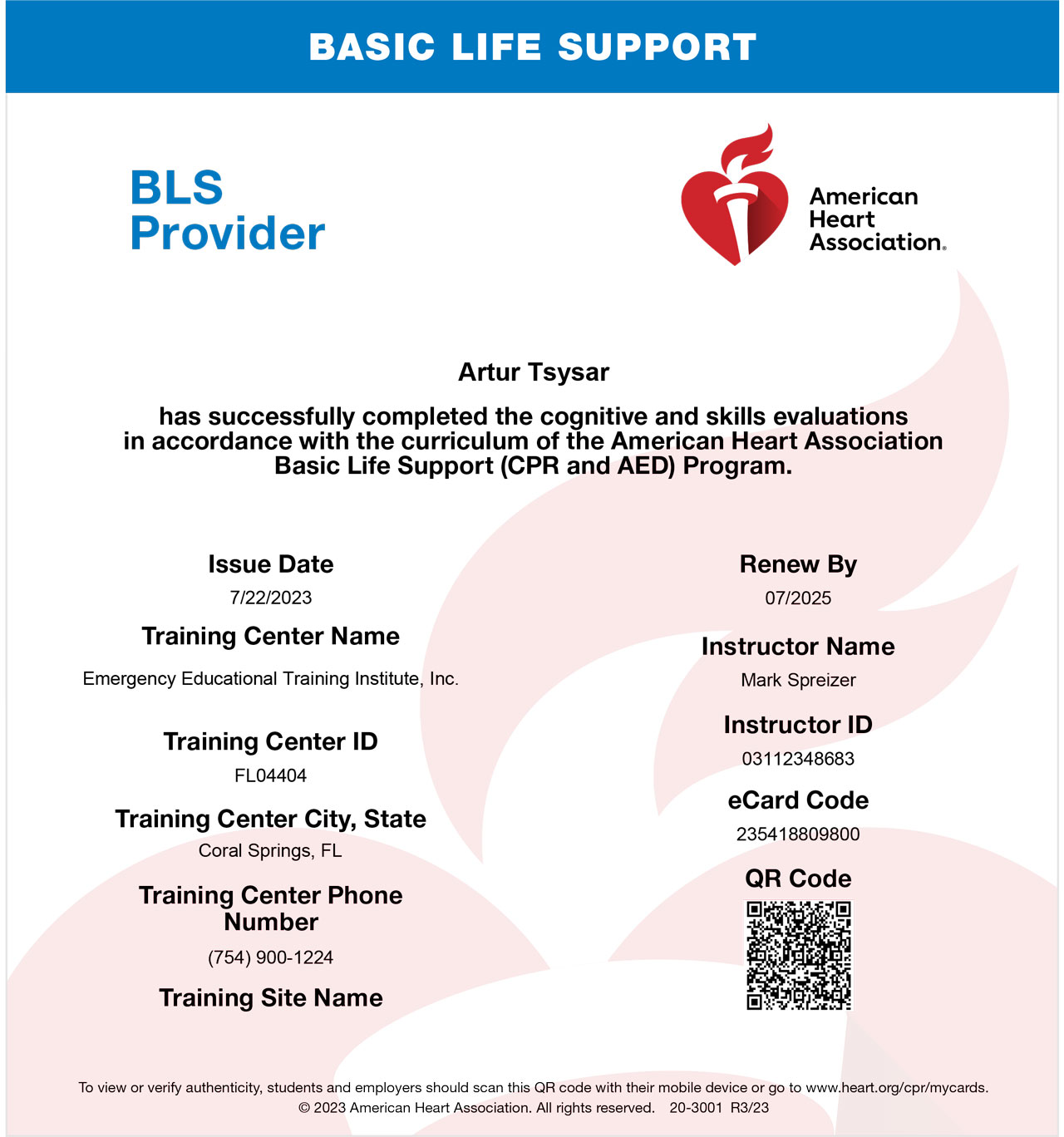
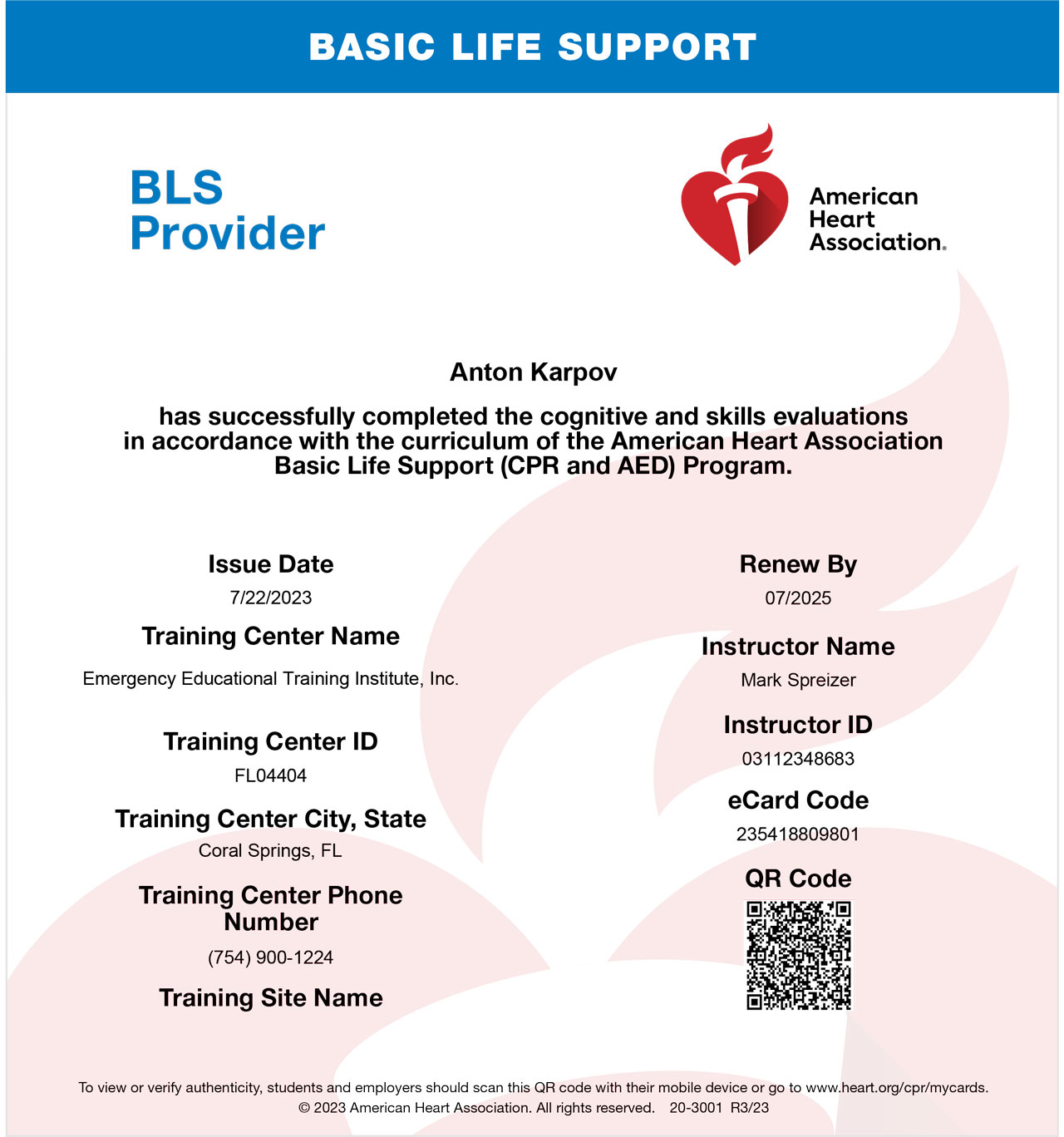
CERTIFICATES


NEWS

An exciting and highly competitive judo tournament took place at Dynamo Sports Center 🔥
Athletes from different clubs and cities came together:@falconjudo @budokanjudo @fortmyersjudo, as well as teams from Miami and beyond. From the very beginning, the level was very high. Every match was intense, with great technique, smart tactics, and true fighting...

3.8.2026 we celebrate International Women’s Day at America Top Team and Dynamo Sports Center 🌸🥋
We would like to congratulate all the amazing girls and women who train, work, and inspire others every day. Your strength, dedication, and spirit make our team stronger. Thank you for being such an important part of our martial arts family. Keep shining, keep...

3.6.3026 we had special guests at our training athletes from the Fort Myers club. 🤝🥋
Thank you for coming to Dynamo Sportcenter and joining our judo practice. Training together with athletes from another club is always a valuable and motivating experience for our team. It helps everyone grow, learn from each other, and become stronger. We truly...

Annual Belt Promotion Ceremony at Dynamo Sports Center
One of the most important events of the year took place at our club - the official Judo belt promotion ceremony. This special event happens only once a year and leaves lasting memories. Each new belt represents discipline, hard work, a successfully passed exam, and...