Shopping Cart

Your cart is empty
Continue Shopping

Judo • SAMBO • Jiu-Jitsu

       REACH YOUR FULL POTENTIAL — ON & OFF THE MAT
Sign up form 2

Helping Every Student Reach Their Full Potential

TRAINING FOR EVERYONE

Classes for all ages and skill levels – from beginners to international competitors.

OUR MISSION

Helping Every Student Reach Their Full Potential – On and Off the Mat.

MORE THAN A TEAM

But on respect, friendship, discipline, and mutual support.

Get More Information

Thank You!

Your request has been received.

Thank you for your interest in Dynamo Sports Center!

A member of our team will contact you shortly to answer any questions you may have and help you schedule the best day and time for your trial class.

If you have any questions before your visit, please contact us:

Phone: +1 (305) 218-8859

We look forward to welcoming you to Dynamo Sports Center. See you on the mat!

Schedule

10/12/2026 - 10/18/2026
12 Mon 13 Tue 14 Wed 15 Thu 16 Fri 17 Sat 18 Sun
12 Mon Closed
13 Tue Closed
14 Wed Closed
15 Thu Closed
16 Fri Closed
17 Sat Closed
18 Sun Closed
12:00am
1:00am
2:00am
3:00am
4:00am
5:00am
6:00am
7:00am
8:00am
9:00am
10:00am
11:00am
12:00pm
1:00pm
2:00pm
3:00pm
4:00pm
5:00pm
6:00pm
7:00pm
8:00pm
9:00pm
10:00pm
11:00pm

Future Champions Program - Judo, Sambo & Jiu-Jitsu (Ages 7-14)

5 - 6pm 0 / 9
5:00pm - 6:00pm

Future Champions Program - Judo, Sambo & Jiu-Jitsu (Ages 7-14)

Bookings: 0/9
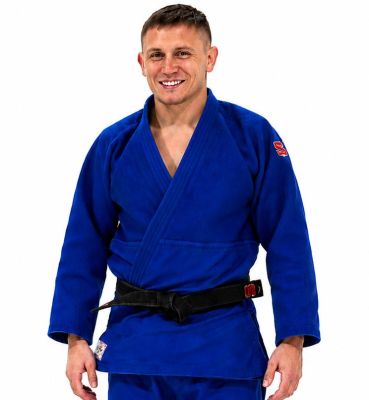
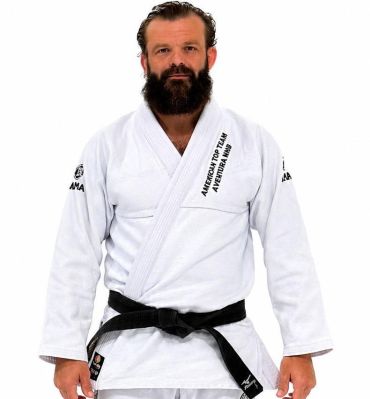
IRIvan Ribalko ATArtur Tsysar Ivan, Artur
Future Champions Program - Judo, Sambo & Jiu-Jitsu (Ages 7-14)
Monday, October 12 · 5:00pm - 6:00pm
Instructors:
Ivan Ribalko Artur Tsysar

Future Champions  (Ages 7–14) (Judo & Sambo)

This advanced class is designed for experienced students who want to improve their technical skills, physical conditioning, tactical understanding, and competition performance in a professional training environment.

A typical training session may include:

• Dynamic Warm-Up

Every class begins with a complete warm-up specifically designed for grappling sports. The warm-up prepares the body for training by developing coordination, balance, mobility, flexibility, and overall athletic performance while activating all major muscle groups. The exercises are carefully selected to prepare students for the techniques that will be practiced during the lesson. Stretching is always included to improve flexibility, mobility, recovery, and help reduce the risk of injury.

• Groundwork (Ne-Waza)

Depending on the training plan, students may begin with controlled groundwork from the knees to continue warming up while practicing submissions, pins, escapes, transitions, positional control, and movement on the ground. This portion of training also develops sensitivity, timing, balance, and technical awareness before moving into standing techniques.

• Uchikomi (Throw Entry Drills)

Students perform repetitive throw entry drills designed to develop proper movement mechanics, timing, balance, coordination, speed, and muscle memory. Uchikomi is one of the most important technical training methods used to improve the quality and efficiency of throwing techniques.

• Kumikata (Grip Fighting)

Students learn how to establish dominant grips, break an opponent's grips, improve grip control, create throwing opportunities, and develop tactical advantages before attacking. Proper grip fighting is considered one of the most important aspects of successful standing grappling and receives continuous attention throughout training.

• Technical Instruction

The coach introduces new throwing techniques, groundwork techniques, combinations, counters, and tactical concepts. Following competitions, common technical mistakes are carefully analyzed, with athletes learning how to correct errors, improve decision-making, and effectively counter different techniques. Depending on the lesson plan, students may also perform technique drills with progressive resistance or situational sparring focused on specific objectives.

• Resistance Drills & Situational Training

Students gradually increase the level of resistance while practicing techniques in realistic situations. Scenario-based drills help athletes improve decision-making, timing, reactions, adaptability, and confidence under competitive conditions.

• Personal Technique Development

Time is dedicated to refining each athlete's strongest techniques while improving individual performance. Students work on developing their favorite throws, combinations, transitions, and tactical strategies under the coach's supervision.

• Speed & Strength Training

Depending on the lesson plan, athletes may perform explosive throwing drills, speed-focused technical exercises, partner conditioning drills, or strength and power development activities designed specifically for grappling performance.

• Randori or Training Games

Depending on the training plan, the session may conclude with standing randori, groundwork randori, situational sparring, or structured training games designed to reinforce technical skills under realistic conditions. These activities help athletes develop timing, tactical awareness, confidence, adaptability, and the ability to apply techniques against a resisting opponent.

• Cool Down & Stretching

Every class finishes with stretching and recovery exercises designed to improve flexibility, reduce muscle tension, promote recovery, and help prevent injuries after intensive physical activity.

• Closing Remarks

At the conclusion of each training session, the coach reviews the lesson, analyzes the athletes' performance, provides individual feedback, reinforces key technical concepts, and motivates students to continue improving. Every class ends with mutual respect, gratitude, and appreciation between teammates and coaches.

Every class is carefully planned to help students continuously improve their technical knowledge, tactical understanding, physical conditioning, confidence, discipline, and sportsmanship in a safe, structured, and professional training environment.

Training Flexibility

While a typical class follows the structure described above, the coach may modify the training plan based on the needs and skill level of the students. Technical development is always the highest priority, and mastering a single technique—or even one element of a technique—may require significant time and repetition before progressing further.

For this reason, each training session is adjusted according to the athletes' current abilities, progress, and learning pace. The coach may dedicate additional time to specific techniques, review previously learned material, analyze competition performance, or focus on correcting technical mistakes whenever necessary.

Although individual training sessions may vary, every class follows the principles of a traditional, professionally structured training system designed to promote the athlete's complete development. This approach allows students to progressively improve their technical skills, tactical understanding, physical conditioning, discipline, confidence, sportsmanship, and respect for their training partners.

Individualized Learning Approach

The coach's goal is not for every athlete to master every technique or technical detail perfectly at the exact same time. Instead, the primary objective is to help each student develop a solid understanding of proper movement mechanics, technical principles, and the correct execution of fundamental skills.

Every student develops at a different pace. Athletes vary in age, physical ability, coordination, experience, and learning speed. As a result, some students may master new material more quickly, while others may require additional practice and repetition.

Training sessions are planned according to the overall progress of the group. Once the majority of students have developed a solid understanding of the material being taught, the class will gradually move forward to new techniques and concepts. Students who need additional time will continue practicing and improving previously taught skills throughout future training sessions, as important techniques and fundamental movements are regularly reviewed and reinforced.

This teaching philosophy is based on a structured and progressive training system in which techniques are continuously practiced, refined, and revisited throughout an athlete's development. Through consistent repetition and progressive instruction, every student has the opportunity to develop strong technical skills while progressing at a pace appropriate to their individual abilities.

This day is marked as closed. Reopen the day to edit or restore sessions.

Junior Champions Program - Judo, Sambo & Jiu-Jitsu(Ages 12-17)

6 - 7pm 0 / 9
6:00pm - 7:00pm

Junior Champions Program - Judo, Sambo & Jiu-Jitsu(Ages 12-17)

Bookings: 0/9
IRIvan Ribalko ATArtur Tsysar Ivan, Artur
Junior Champions Program - Judo, Sambo & Jiu-Jitsu(Ages 12-17)
Monday, October 12 · 6:00pm - 7:00pm
Instructors:
Ivan Ribalko Artur Tsysar

JUNIOR Champions (Judo & SAMBO) Program Ages 12–17

The JUNIOR Champions Program is designed for students ages 12 to 17 who are ready to continue advancing their Judo and Sambo skills in a professional and structured training environment.

This program focuses on strengthening technical skills, athletic performance, discipline, confidence, tactical awareness, and competition readiness while supporting each athlete’s individual development. Whether a student trains for recreation, self-defense, personal growth, or competition, our goal is to help every athlete become stronger physically, mentally, and emotionally.

Technical Development

Students continue developing a complete technical foundation in both Judo and Sambo while progressing toward more advanced techniques and combinations.

Training includes throwing techniques, combination attacks, counter techniques, defensive movements, grip fighting, groundwork, pins, escapes, transitions, tactical movement, and competition strategy.

Techniques are taught progressively and step by step, with attention to proper mechanics, balance, timing, body positioning, control, and efficiency.

Throw Entry Drills (Uchikomi)

Students regularly perform repetitive throw entry drills to develop muscle memory, timing, speed, coordination, balance, explosive movement, and technical accuracy.

Consistent Uchikomi practice helps athletes build the movement patterns and technical precision needed to successfully execute techniques during live training and competition.

Grip Fighting (Kumikata)

Students develop stronger grip-fighting skills by learning how to establish effective grips, break an opponent’s grips, maintain control, create attacking opportunities, manage energy, and gain tactical advantages before initiating techniques.

Developing effective Kumikata allows athletes to control exchanges and apply techniques more efficiently against resisting opponents.

Groundwork (Ne-Waza)

Students continue advancing their groundwork through pins, escapes, transitions, positional control, submission fundamentals, and effective movement on the ground.

Ne-Waza training improves technical awareness, balance, control, reaction speed, confidence, and the ability to transition effectively between positions.

Partner Drills & Situational Training

Students practice techniques with gradually increasing levels of resistance through partner drills, situational sparring, tactical scenarios, and decision-making exercises.

This type of training helps athletes develop faster reactions, better timing, adaptability, confidence, and the ability to successfully apply techniques in realistic situations.

Randori (Live Practice)

As athletes continue developing their skills, they participate in controlled Randori where they apply techniques against resisting training partners.

Randori helps students improve timing, tactical decision-making, distance management, confidence, reactions, and competition awareness.

All Randori sessions are closely supervised by coaches to maintain a safe training environment and ensure proper technical development.

Strength & Athletic Development

Each class incorporates age-appropriate physical conditioning specifically designed to support performance in grappling sports.

Students develop strength, speed, agility, coordination, balance, flexibility, endurance, and explosive power while improving overall athletic performance and reducing the risk of injury.

Competition Preparation

Students who are interested in competing receive additional preparation in tournament rules, match strategy, mental preparation, competition etiquette, tactical decision-making, and performance analysis.

Athletes learn how to approach competition with confidence, discipline, and proper preparation.

Competition is encouraged but never required. Every athlete is supported according to their individual goals.

Character Development

Training develops much more than athletic performance.

Students strengthen confidence, discipline, leadership, responsibility, focus, perseverance, sportsmanship, self-control, and respect.

These qualities help young athletes develop both on and off the mat and prepare them for challenges in sports, school, and everyday life.

Individualized Coaching

Every athlete develops at their own pace.

Our coaches adjust instruction according to each student’s current experience and technical level, helping athletes strengthen their fundamentals before progressing to more advanced techniques.

Previously learned material is reviewed regularly to reinforce correct habits, improve technical consistency, and support long-term athlete development.

What Does a Typical Class Include?

• Dynamic warm-up
• Stretching & mobility
• Throw entry drills (Uchikomi)
• Grip fighting (Kumikata)
• Groundwork (Ne-Waza)
• Technical instruction
• Partner drills
• Situational training
• Strength & conditioning
• Randori (live practice)
• Cool down & stretching
• Class review and coach feedback

Why Families Choose Dynamo Sports Center

• Olympic Medalists & World-Class Coaches
• Professional Judo & Sambo Instruction
• Structured Long-Term Athlete Development
• Safe & Positive Training Environment
• Individual Attention
• Small Class Sizes
• Competition Opportunities
• Character Development
• Leadership & Confidence
• Strong Technical Foundation

Book a FREE Trial Class

Give your child the opportunity to train with experienced Olympic-level coaches, develop confidence, build lifelong skills, and become part of one of South Florida's leading martial arts programs.

Complete the form below, and a member of our team will contact you to answer your questions and schedule your FREE trial class.

This day is marked as closed. Reopen the day to edit or restore sessions.

Wrestling (Ages 6+ 16+, 30+, 50+...)

7 - 8pm 0 / 15
7:00pm - 8:00pm

Wrestling (Ages 6+ 16+, 30+, 50+...)

Bookings: 0/15
Wrestling (Ages 6+ 16+, 30+, 50+...)
Monday, October 12 · 7:00pm - 8:00pm

Wrestling & Freestyle Wrestling Program (Ages 6+, 16+, 30+, 50+, 60+)

This adult wrestling program is designed for students of all experience levels who want to improve their wrestling technique, physical conditioning, coordination, self-confidence, tactical understanding, and overall athletic performance in a professional and supportive training environment. Whether your goal is competition, cross-training for another combat sport, improving your fitness, learning effective takedowns and grappling skills, or simply challenging yourself through wrestling, this program provides a structured path for long-term development.

Wrestling is one of the world's oldest and most respected combat sports and serves as a technical foundation for many modern grappling disciplines, including Mixed Martial Arts (MMA), Brazilian Jiu-Jitsu (BJJ), Submission Grappling, Sambo, and other combat sports. Freestyle Wrestling is an internationally recognized discipline and an Olympic sport practiced by athletes around the world.

Wrestling develops exceptional balance, coordination, explosive power, speed, endurance, body control, reaction time, tactical awareness, and the ability to control an opponent both from standing positions and on the mat. Athletes learn how to effectively change levels, close distance, execute takedowns, defend attacks, maintain control, escape difficult positions, and transition continuously between offensive and defensive situations.

The technical and physical principles developed through wrestling transfer naturally into many other sports and physical activities. Athletes with strong wrestling backgrounds often transition successfully into MMA, Brazilian Jiu-Jitsu, Submission Grappling, Sambo, Football, Rugby, Hockey, American Football, and other physically demanding sports. Wrestling develops qualities that are valuable across nearly every athletic discipline, including balance, coordination, body awareness, explosive strength, speed, agility, timing, endurance, mental toughness, and efficient movement.

Training develops far more than effective takedowns. Students improve posture, mobility, flexibility, reaction time, coordination, strength, cardiovascular conditioning, spatial awareness, tactical decision-making, discipline, confidence, mental resilience, and overall athletic performance. Learning to control your own body while simultaneously reacting to and controlling another athlete develops movement skills that remain valuable throughout life, regardless of your athletic goals.

Whether your objective is competition, cross-training for MMA or Brazilian Jiu-Jitsu, improved fitness, weight management, stress relief, learning practical grappling skills, or becoming a more complete athlete, Wrestling and Freestyle Wrestling provide an exceptional system for lifelong physical, technical, and personal development.

A typical training session may include:

• Dynamic Wrestling Warm-Up

Each training session begins with a complete warm-up specifically designed for wrestling and grappling sports. The warm-up prepares the body for training by improving coordination, balance, mobility, flexibility, stability, speed, agility, and overall athletic performance while activating all major muscle groups.

Students may perform wrestling-specific movement drills, stance work, level changes, penetration steps, sprawls, hip movements, rolls, bridges, footwork, reaction exercises, partner drills, and other movements directly related to the techniques being practiced during the lesson.

Stretching and mobility work are incorporated to improve flexibility, increase range of motion, promote recovery, and help reduce the risk of injury.

• Wrestling Stance, Motion & Footwork

Students develop a strong wrestling stance and learn how to move efficiently while maintaining proper balance, positioning, and readiness to attack or defend.

Training may include forward, backward, and lateral movement, circling, level changes, direction changes, penetration steps, distance management, and proper positioning relative to an opponent.

Developing effective stance and movement is one of the most important foundations of successful wrestling because nearly every offensive and defensive technique begins with proper positioning and footwork.

• Hand Fighting & Position Control

Students learn how to establish dominant positions before attacking. Training may include hand fighting, wrist control, inside control, collar ties, underhooks, overhooks, two-on-one control, arm drags, head positioning, clearing ties, and creating angles for attacks.

Effective hand fighting allows wrestlers to control distance, disrupt an opponent's balance and posture, create offensive opportunities, and prevent the opponent from establishing dominant positions.

• Takedown Technique

Students learn and refine fundamental and advanced takedown techniques used in Freestyle Wrestling.

Depending on the lesson plan, techniques may include single-leg attacks, double-leg attacks, high crotch attacks, ankle picks, body locks, trips, foot sweeps, snap-downs, go-behinds, throws, and other offensive wrestling techniques.

Particular attention is given to proper setup, timing, level change, penetration, positioning, finishing mechanics, and maintaining control after completing the takedown.

• Takedown Defense

Students learn how to recognize and defend against different attacks while maintaining balance and immediately transitioning into a counterattack.

Training may include sprawls, hip pressure, head and hand positioning, down-blocks, whizzers, crossfaces, defending single-leg and double-leg attacks, scrambling, re-attacks, and counter-offensive techniques.

The objective is not simply to stop an opponent's attack, but to develop the ability to immediately convert successful defense into an advantageous position or offensive opportunity.

• Mat Wrestling & Ground Control

Students develop the ability to control an opponent on the mat while understanding positioning, pressure, balance, movement, and transitions.

Training may include breakdowns, turns, rides, transitions, exposure techniques, control positions, escapes, reversals, and defensive movement.

Freestyle Wrestling places particular emphasis on maintaining control while creating opportunities to expose an opponent's back and score points, while defensive athletes learn how to maintain safe positioning, escape control, and return to a stronger position.

• Escapes, Reversals & Scrambling

Students learn how to react effectively when an opponent gains an advantageous position.

Training develops escapes, reversals, hip movement, rolls, switches, sit-outs, stand-ups, defensive positioning, and scrambling skills.

Scrambling is an essential component of modern wrestling because positions can change extremely quickly. Athletes learn to remain composed, react instinctively, maintain body awareness, and continuously search for opportunities to improve their position.

• Technical Instruction

The coach introduces new techniques, combinations, counters, transitions, defensive reactions, and tactical concepts.

Techniques are broken down into understandable steps so students can develop proper movement mechanics before gradually increasing speed and resistance.

Following competitions or live training, common technical and tactical mistakes may be analyzed so athletes can improve execution, positioning, decision-making, and match strategy.

Depending on the objectives of the session, students may also perform progressive resistance drills or situational wrestling focused on specific technical goals.

• Resistance Drills & Situational Wrestling

Students gradually increase the level of resistance while applying techniques under realistic conditions.

The coach may place athletes in specific positions and require them to complete a particular objective—for example, finishing a takedown, defending a leg attack, escaping from bottom position, maintaining control, scoring from a tie-up, or recovering from a disadvantageous position.

Scenario-based training improves reaction time, timing, tactical thinking, adaptability, composure under pressure, and the ability to make effective decisions during live wrestling.

• Personal Technique Development

Dedicated time may be provided for athletes to refine their strongest techniques while developing their own individual wrestling style.

Every athlete has different physical characteristics, strengths, mobility, speed, coordination, and preferences. Students work with the coach to identify techniques and combinations that are particularly effective for their individual abilities.

Athletes may focus on improving their favorite takedowns, setups, defensive reactions, counters, turns, escapes, combinations, and tactical strategies under the coach's supervision.

• Speed, Strength & Conditioning

Depending on the training plan, students may perform wrestling-specific conditioning designed to improve explosive power, speed, strength, endurance, grip strength, core stability, and overall athletic performance.

Training may include explosive movement drills, partner resistance exercises, takedown repetitions, short high-intensity intervals, bodyweight exercises, strength exercises, reaction drills, and wrestling-specific conditioning.

Physical preparation is integrated with technical development so athletes learn to maintain effective technique even when training at a high intensity.

• Live Wrestling

Depending on the training plan, the session may conclude with controlled live wrestling, situational wrestling, takedown rounds, positional rounds, or full wrestling matches.

Live training allows students to apply the techniques learned during class against a resisting opponent in a safe and controlled environment.

Athletes learn how to combine stance, movement, hand fighting, takedowns, defense, mat control, escapes, reversals, and tactical decision-making in real time.

Live wrestling develops timing, adaptability, endurance, confidence, mental resilience, composure under pressure, and the ability to successfully execute techniques against an actively resisting opponent.

• Cool Down, Stretching & Team Reflection

Depending on the training plan and the coach's objectives for the day, the session may conclude with a structured cool-down and stretching routine designed to improve flexibility, reduce muscle tension, promote recovery, and help prevent injuries following intensive physical activity.

At the coach's discretion, training may also conclude with a brief team discussion. During this time, the coach may review the lesson, analyze performance, answer questions, provide individual feedback, and discuss important topics such as discipline, consistency, sportsmanship, respect, perseverance, mental toughness, and continuous self-improvement.

The coach may also use this opportunity to motivate students, reinforce the values that contribute to long-term success, and encourage continued growth both on and off the mat.

When appropriate, the session concludes with an expression of mutual respect and appreciation between athletes and coaches. This helps strengthen the team environment, build lasting relationships within the club, and reinforce the values of respect, humility, discipline, teamwork, and continuous improvement.

Each session is carefully planned to help students continuously improve their wrestling technique, tactical understanding, physical conditioning, discipline, confidence, mental resilience, and overall athletic performance in a safe, structured, and professional learning environment.

Training Flexibility

While a typical class generally follows the structure described above, the coach may modify the training plan according to the needs, goals, experience, and skill level of the students.

Technical development always remains the highest priority. Mastering a single wrestling technique-or even one specific element of a technique-may require significant time, repetition, drilling, and individual correction before progressing further.

For this reason, each training session is adapted to the athletes' current abilities, progress, and learning pace. The coach may dedicate additional time to stance and movement, takedown technique, takedown defense, hand fighting, mat wrestling, escapes, scrambling, conditioning, previously learned techniques, competition analysis, or specific tactical situations whenever necessary.

Although individual classes may vary, every session follows the principles of a structured professional training system designed to promote complete athletic development.

This approach enables students to continually improve their wrestling skills, tactical understanding, physical conditioning, discipline, confidence, mental resilience, and respect for their training partners.

Individualized Learning Approach

The coach's goal is not for every student to master every technique or technical detail perfectly at exactly the same time. Instead, the primary objective is to help each student develop a solid understanding of proper wrestling movement, positioning, technical principles, and the correct execution of fundamental skills.

Every student progresses at a different pace. Athletes differ in age, athletic ability, strength, speed, coordination, flexibility, wrestling experience, physical conditioning, and learning speed. Some students naturally learn new material more quickly, while others require additional repetition, coaching, and practice before mastering the same skills.

Training is organized around the overall progress of the group. Once the majority of students demonstrate a solid understanding of the techniques being taught, the class gradually progresses to more advanced concepts.

Students who need additional time continue refining previously learned techniques throughout future training sessions, as fundamental wrestling movements and core technical principles are consistently reviewed and reinforced.

This teaching philosophy is based on a progressive and systematic training methodology in which techniques are continuously practiced, refined, and revisited throughout an athlete's development.

Through consistent repetition, structured instruction, live practice, and individualized coaching, every student has the opportunity to build strong wrestling skills while progressing according to their own abilities and long-term goals.

Regardless of each student's individual goals - whether recreational training, Freestyle Wrestling competition, Brazilian Jiu-Jitsu, Mixed Martial Arts, Submission Grappling, improved fitness, cross-training for another sport, or lifelong personal development-this program is designed to build a strong technical foundation, exceptional physical preparation, mental resilience, and the confidence to continue improving throughout every stage of their athletic journey.

Dynamo Sports Center - REACH YOUR FULL POTENTIAL - ON & OFF THE MAT

This day is marked as closed. Reopen the day to edit or restore sessions.
Tiny Champions Rank Program Judo, Sambo & Jiu-Jitsu Program Ages 3–6

4:15 - 5pm 0 / 15
4:15pm - 5:00pm

Tiny Champions Rank Program Judo, Sambo & Jiu-Jitsu Program Ages 3–6

Bookings: 0/15
IRIvan Ribalko ATArtur Tsysar Ivan, Artur Book
Tiny Champions Rank Program Judo, Sambo & Jiu-Jitsu Program Ages 3–6
Tuesday, October 13 · 4:15pm - 5:00pm
Instructors:
Ivan Ribalko Artur Tsysar
Tiny Champions Rank Program (Ages 3–6)

The Tiny Champions Rank Program is designed for children ages 3 to 6 who are beginning their journey in Judo and Sambo and learning the essential skills needed to build a strong foundation in martial arts.

This program focuses on developing basic technical skills, coordination, balance, discipline, confidence, focus, and overall physical development in a positive and professional training environment. Whether a child participates for recreation, self-defense, personal development, or as the beginning of a future competitive path, our goal is to help every young athlete grow physically, mentally, and emotionally.

Technical Development

Students begin developing a strong foundation in both Judo and Sambo through age-appropriate techniques and exercises.

Training includes basic throwing movements, safe falling techniques, defensive movements, introductory grip fighting, groundwork, pins, escapes, transitions, movement, and fundamental tactical concepts.

Every technique is introduced step by step with special attention to safety, proper movement, balance, coordination, body positioning, and control.

Throw Entry Drills (Uchikomi)

Students practice age-appropriate throw entry drills that help develop muscle memory, coordination, timing, balance, speed, movement, and technical accuracy.

These repetitive drills help young athletes understand proper throwing mechanics and prepare them for more advanced technical development as they progress.

Grip Fighting (Kumikata)

Students are introduced to the fundamentals of gripping, including how to establish proper grips, maintain control, move with a partner, understand positioning, and create opportunities to perform techniques.

These exercises help children develop coordination, awareness, control, and confidence while working with training partners.

Groundwork (Ne-Waza)

Students learn fundamental groundwork skills, including basic pins, escapes, transitions, positional control, and safe movement on the ground.

Ground training helps children improve coordination, balance, body awareness, control, and confidence.

Partner Drills & Situational Training

Students practice techniques with partners through structured, age-appropriate drills, games, and controlled training situations.

These exercises help young athletes improve reactions, timing, coordination, listening skills, confidence, and their ability to use techniques correctly while interacting with a partner.

Randori (Live Practice)

As students develop the necessary skills and understanding, they are gradually introduced to controlled and age-appropriate Randori.

During Randori, children learn how to safely apply their techniques with a training partner while developing timing, movement, confidence, awareness, and decision-making skills.

All Randori sessions are closely supervised to ensure safety and proper technical development.

Strength & Athletic Development

Each class includes age-appropriate physical exercises designed to support the overall athletic development of young children.

Students improve strength, speed, agility, coordination, balance, flexibility, endurance, and movement while developing healthy physical habits and improving overall athletic ability.

Competition Preparation

Students who demonstrate appropriate technical development and are interested in competition can gradually be introduced to basic tournament rules, competition etiquette, match preparation, sportsmanship, and the fundamentals of competitive Judo and Sambo.

Competition is encouraged when appropriate but is never required. Every child progresses according to their individual development and goals.

Character Development

Training develops much more than physical and athletic abilities.

Students learn confidence, discipline, responsibility, focus, perseverance, sportsmanship, self-control, respect, and how to listen and follow instructions.

These important qualities help children develop positive habits that benefit them both inside and outside the dojo.

Individualized Coaching

Every young athlete develops at a different pace.

Our coaches adapt instruction to each child's age, experience, ability, and current level, helping every student develop strong fundamentals before progressing to more advanced skills. Previously learned material is regularly reviewed to reinforce proper habits and support long-term technical development.

What Does a Typical Class Include?

• Dynamic warm-up
• Stretching & mobility
• Throw entry drills (Uchikomi)
• Grip fighting (Kumikata)
• Groundwork (Ne-Waza)
• Technical instruction
• Partner drills
• Situational training
• Strength & conditioning
• Randori (live practice)
• Cool down & stretching
• Class review and coach feedback

Why Families Choose Dynamo Sports Center

• Olympic Medalists & World-Class Coaches
• Professional Judo & Sambo Instruction
• Structured Long-Term Athlete Development
• Safe & Positive Training Environment
• Individual Attention
• Small Class Sizes
• Competition Opportunities
• Character Development
• Leadership & Confidence
• Strong Technical Foundation

Book a FREE Trial Class

Give your child the opportunity to train with experienced Olympic-level coaches, develop confidence, build lifelong skills, and become part of one of South Florida's leading martial arts programs.

Complete the form below, and a member of our team will contact you to answer your questions and schedule your FREE trial class.

This day is marked as closed. Reopen the day to edit or restore sessions.

Little Champions Rank Program - Judo, Sambo & Jiu-Jitsu (Ages 6-8)

5 - 6pm 0 / 7
5:00pm - 6:00pm

Little Champions Rank Program - Judo, Sambo & Jiu-Jitsu (Ages 6-8)

Bookings: 0/7
IRIvan Ribalko ATArtur Tsysar Ivan, Artur Book
Little Champions Rank Program - Judo, Sambo & Jiu-Jitsu (Ages 6-8)
Tuesday, October 13 · 5:00pm - 6:00pm
Instructors:
Ivan Ribalko Artur Tsysar

Little Champions (Ages 6–8)

This class is specifically designed for children between the ages of 6 and 8 who are just beginning their martial arts journey. The primary goal of the program is to build a strong technical foundation while developing confidence, discipline, coordination, respect, listening skills, and a lifelong love for physical activity in a safe, positive, and supportive environment.

A typical training session may include:

• Dynamic Warm-Up

Every class begins with a fun and engaging warm-up specifically designed for young children. During the warm-up, students develop balance, coordination, agility, flexibility, body awareness, and overall physical fitness. Many of the exercises also introduce the fundamental movements that will later be used while learning techniques. The warm-up strengthens all major muscle groups and prepares children physically and mentally for safe and effective training. Every class also includes stretching to improve flexibility, posture, joint mobility, and help reduce the risk of injury.

• Learning Safe Falling Skills (Breakfalls)

One of the very first and most important skills children learn is how to fall safely. During training, students gradually learn forward, backward, and side breakfalls while developing the ability to tuck correctly, protect the head and neck, and safely absorb impact when contacting the mat.

This skill is not only an essential part of martial arts training but also one of the most valuable life skills a child can develop. Regardless of whether a child continues practicing martial arts or later chooses another sport, knowing how to fall correctly can significantly reduce the risk of injury and increase confidence during any physical activity.

Safe falling skills are especially valuable in sports such as soccer, hockey, basketball, gymnastics, figure skating, skiing, snowboarding, cycling, skateboarding, and virtually every contact or athletic sport where falls, collisions, or loss of balance may occur.

The benefits of this skill extend far beyond sports. Whether playing on a playground, participating in school activities, riding a bicycle, scooter, roller skates, or simply slipping on a wet or icy surface, children who have learned proper breakfalls naturally develop the habit of protecting themselves, reducing the force of impact and lowering the likelihood of serious injury.

Between the ages of 3 and 8, children learn movement patterns more quickly than at any other stage of development. During these years, proper motor habits are established that often remain with them for life. For this reason, learning how to fall safely is one of the most valuable investments parents can make in their child's long-term safety and physical development.

For this reason, children at our club begin their martial arts journey with Judo and Sambo. These disciplines are built around throwing techniques, proper body mechanics, and the safe execution of throws. As a result, learning breakfalls and self-protection is one of the core components of training from the very first class.

Unlike many other martial arts, where safe falling may receive less emphasis or be introduced much later, Judo and Sambo systematically teach this essential skill from the very beginning and continue to reinforce it throughout the athlete's development.

We strongly believe that learning how to fall correctly is one of the greatest gifts a child can receive at an early age. Our goal is not only to help children learn effective techniques but also to give them a lifelong skill that will continue protecting them regardless of which sport or physical activity they choose in the future.

In addition, Judo and Sambo are among the most coordination-intensive sports. To perform even a single throw correctly, a child must simultaneously coordinate numerous body movements. Every technique requires proper gripping, pulling with the hands, correct head position, body alignment, hip movement, foot placement, balance, timing, distance management, coordination, and constant awareness of a training partner's safety.

The need to synchronize all of these movements makes training an outstanding tool for neurological and motor development. Performing complex coordinated movements helps improve attention, memory, concentration, spatial awareness, decision-making, movement analysis, and the ability to coordinate the entire body efficiently.

Since children develop their brains through movement, activities requiring advanced coordination have a positive impact not only on physical fitness but also on cognitive development. This is one of the reasons why Judo and Sambo provide such an excellent foundation for a child's overall physical and mental growth, developing skills that benefit children both in sports and throughout everyday life.

• Basic Technical Drills

Children learn fundamental movements, proper posture, balance, footwork, body positioning, and partner awareness. Through consistent repetition of simple exercises, they develop coordination, muscle memory, confidence, and proper movement patterns from the very beginning.

• Grip Fundamentals

Special attention is given to developing proper gripping skills. Children learn how to establish correct grips, position their hands properly, use body positioning instead of unnecessary strength, conserve energy, and effectively control their training partner. Building strong gripping fundamentals makes future technical development easier while helping children perform techniques more efficiently and safely.

• Technical Instruction

New technical elements are introduced gradually, step by step. Each movement is carefully demonstrated and explained, after which children repeat it many times under the coach's supervision. The main goal is not simply to memorize a movement, but to understand its mechanics and learn how to perform it correctly.

• Partner Work

As children become more comfortable with the material, they begin practicing simple partner exercises. These drills help develop distance control, timing, balance, coordination, confidence, and respectful interaction with a training partner.

• Individual Skill Development

Every child develops at their own pace. The coach gives attention to each student, helps correct mistakes, provides encouragement, and creates conditions for steady and confident progress.

• Physical Development

Training includes age-appropriate exercises designed to improve strength, coordination, flexibility, agility, balance, endurance, and overall physical development through fun and engaging activities.

• Educational Games and Movement-Based Activities

Children learn best through play. For this reason, many classes include educational games and movement-based activities that help reinforce the material learned during class, improve coordination, attention, reaction speed, teamwork, and make the learning process exciting and enjoyable.

• Cool Down and Stretching

Every class finishes with recovery exercises and stretching. This helps children relax their muscles, improve flexibility, and support healthy physical development.

• Closing Remarks

At the end of class, the coach reviews the main points of the lesson, recognizes the children's effort and progress, motivates them to keep improving, and reminds them about the importance of discipline, respect, and good behavior. Each class ends with students thanking one another and the coach for training together.

Individualized Learning Approach

The coach's goal is not for every child to master every technique at the exact same time as the rest of the group. The main objective is to help each student understand proper movement mechanics, develop coordination and balance, and learn how to correctly perform fundamental technical elements.

Every child develops at their own pace. Children differ in physical development, coordination, attention span, confidence, and how quickly they learn new material. Some children acquire new skills faster, while others need more time, practice, and repetition.

The training process is built around the overall progress of the group. When most children confidently understand the material being taught, the group gradually moves on to new exercises and technical elements. At the same time, children who need more time continue improving previously learned skills in future classes, because the fundamental elements are regularly reviewed and reinforced.

This consistent and structured approach allows every child to gradually build a strong technical foundation, develop confidence, improve physical abilities, and enjoy the training process in a safe, friendly, and supportive environment.

This day is marked as closed. Reopen the day to edit or restore sessions.

Future Champions Program - Judo, Sambo & Jiu-Jitsu (Ages 7-14)

5 - 6pm 0 / 9
5:00pm - 6:00pm

Future Champions Program - Judo, Sambo & Jiu-Jitsu (Ages 7-14)

Bookings: 0/9
IRIvan Ribalko ATArtur Tsysar Ivan, Artur Book

Future Champions Program - Judo, Sambo & Jiu-Jitsu (Ages 7-14)
Wednesday, October 14 · 5:00pm - 6:00pm
Instructors:
Ivan Ribalko Artur Tsysar
Future Champions  (Ages 7–14) (Judo & Sambo)

This advanced class is designed for experienced students who want to improve their technical skills, physical conditioning, tactical understanding, and competition performance in a professional training environment.

A typical training session may include:

• Dynamic Warm-Up

Every class begins with a complete warm-up specifically designed for grappling sports. The warm-up prepares the body for training by developing coordination, balance, mobility, flexibility, and overall athletic performance while activating all major muscle groups. The exercises are carefully selected to prepare students for the techniques that will be practiced during the lesson. Stretching is always included to improve flexibility, mobility, recovery, and help reduce the risk of injury.

• Groundwork (Ne-Waza)

Depending on the training plan, students may begin with controlled groundwork from the knees to continue warming up while practicing submissions, pins, escapes, transitions, positional control, and movement on the ground. This portion of training also develops sensitivity, timing, balance, and technical awareness before moving into standing techniques.

• Uchikomi (Throw Entry Drills)

Students perform repetitive throw entry drills designed to develop proper movement mechanics, timing, balance, coordination, speed, and muscle memory. Uchikomi is one of the most important technical training methods used to improve the quality and efficiency of throwing techniques.

• Kumikata (Grip Fighting)

Students learn how to establish dominant grips, break an opponent's grips, improve grip control, create throwing opportunities, and develop tactical advantages before attacking. Proper grip fighting is considered one of the most important aspects of successful standing grappling and receives continuous attention throughout training.

• Technical Instruction

The coach introduces new throwing techniques, groundwork techniques, combinations, counters, and tactical concepts. Following competitions, common technical mistakes are carefully analyzed, with athletes learning how to correct errors, improve decision-making, and effectively counter different techniques. Depending on the lesson plan, students may also perform technique drills with progressive resistance or situational sparring focused on specific objectives.

• Resistance Drills & Situational Training

Students gradually increase the level of resistance while practicing techniques in realistic situations. Scenario-based drills help athletes improve decision-making, timing, reactions, adaptability, and confidence under competitive conditions.

• Personal Technique Development

Time is dedicated to refining each athlete's strongest techniques while improving individual performance. Students work on developing their favorite throws, combinations, transitions, and tactical strategies under the coach's supervision.

• Speed & Strength Training

Depending on the lesson plan, athletes may perform explosive throwing drills, speed-focused technical exercises, partner conditioning drills, or strength and power development activities designed specifically for grappling performance.

• Randori or Training Games

Depending on the training plan, the session may conclude with standing randori, groundwork randori, situational sparring, or structured training games designed to reinforce technical skills under realistic conditions. These activities help athletes develop timing, tactical awareness, confidence, adaptability, and the ability to apply techniques against a resisting opponent.

• Cool Down & Stretching

Every class finishes with stretching and recovery exercises designed to improve flexibility, reduce muscle tension, promote recovery, and help prevent injuries after intensive physical activity.

• Closing Remarks

At the conclusion of each training session, the coach reviews the lesson, analyzes the athletes' performance, provides individual feedback, reinforces key technical concepts, and motivates students to continue improving. Every class ends with mutual respect, gratitude, and appreciation between teammates and coaches.

Every class is carefully planned to help students continuously improve their technical knowledge, tactical understanding, physical conditioning, confidence, discipline, and sportsmanship in a safe, structured, and professional training environment.

Training Flexibility

While a typical class follows the structure described above, the coach may modify the training plan based on the needs and skill level of the students. Technical development is always the highest priority, and mastering a single technique—or even one element of a technique—may require significant time and repetition before progressing further.

For this reason, each training session is adjusted according to the athletes' current abilities, progress, and learning pace. The coach may dedicate additional time to specific techniques, review previously learned material, analyze competition performance, or focus on correcting technical mistakes whenever necessary.

Although individual training sessions may vary, every class follows the principles of a traditional, professionally structured training system designed to promote the athlete's complete development. This approach allows students to progressively improve their technical skills, tactical understanding, physical conditioning, discipline, confidence, sportsmanship, and respect for their training partners.

Individualized Learning Approach

The coach's goal is not for every athlete to master every technique or technical detail perfectly at the exact same time. Instead, the primary objective is to help each student develop a solid understanding of proper movement mechanics, technical principles, and the correct execution of fundamental skills.

Every student develops at a different pace. Athletes vary in age, physical ability, coordination, experience, and learning speed. As a result, some students may master new material more quickly, while others may require additional practice and repetition.

Training sessions are planned according to the overall progress of the group. Once the majority of students have developed a solid understanding of the material being taught, the class will gradually move forward to new techniques and concepts. Students who need additional time will continue practicing and improving previously taught skills throughout future training sessions, as important techniques and fundamental movements are regularly reviewed and reinforced.

This teaching philosophy is based on a structured and progressive training system in which techniques are continuously practiced, refined, and revisited throughout an athlete's development. Through consistent repetition and progressive instruction, every student has the opportunity to develop strong technical skills while progressing at a pace appropriate to their individual abilities.

This day is marked as closed. Reopen the day to edit or restore sessions.

Junior Champions Program - Judo, Sambo & Jiu-Jitsu(Ages 12-17)

6 - 7pm 0 / 9
6:00pm - 7:00pm

Junior Champions Program - Judo, Sambo & Jiu-Jitsu(Ages 12-17)

Bookings: 0/9
IRIvan Ribalko ATArtur Tsysar Ivan, Artur Book
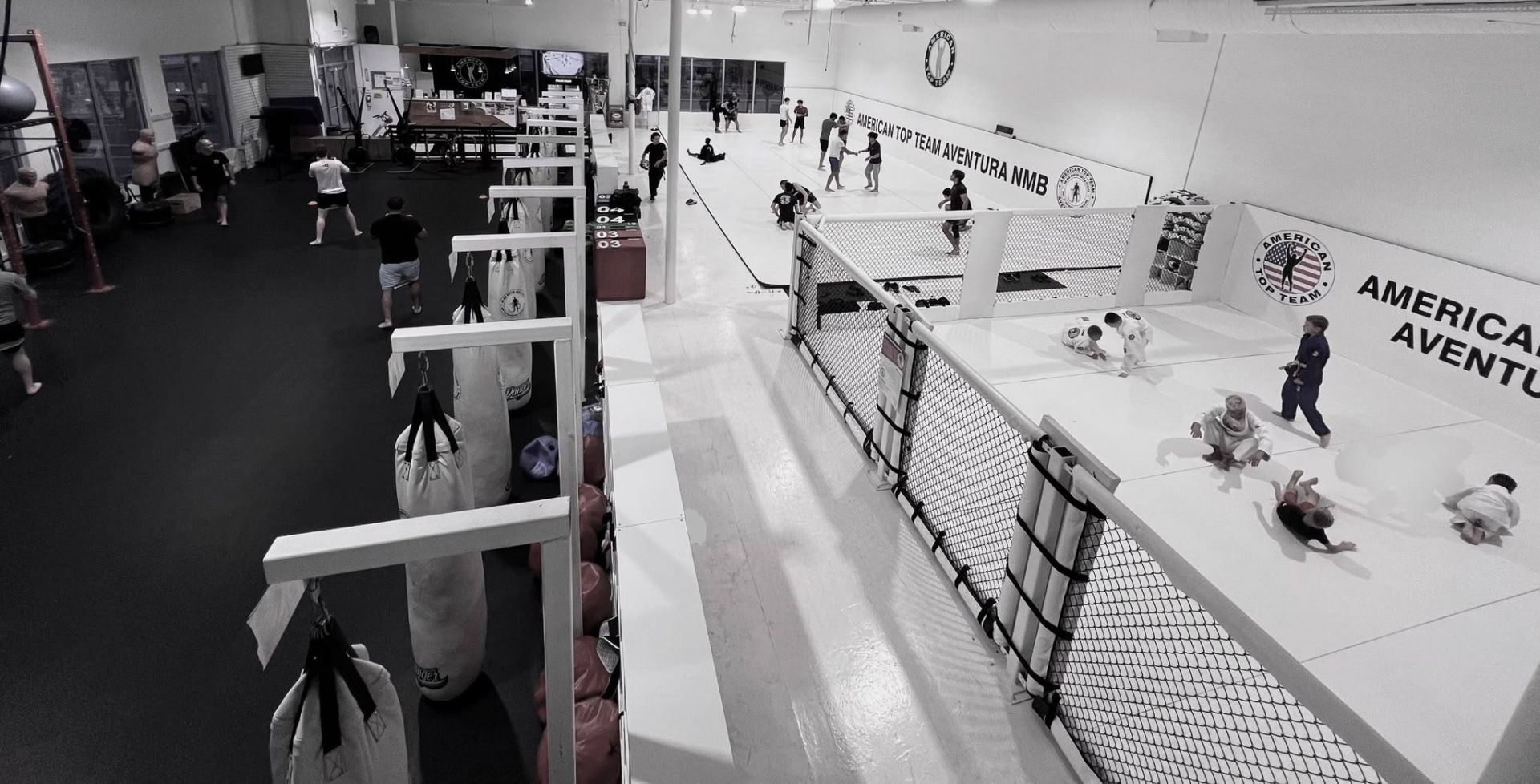
Junior Champions Program - Judo, Sambo & Jiu-Jitsu(Ages 12-17)
Wednesday, October 14 · 6:00pm - 7:00pm
Instructors:
Ivan Ribalko Artur Tsysar

JUNIOR Champions (Judo & SAMBO) Program Ages 12–17

The JUNIOR Champions Program is designed for students ages 12 to 17 who are ready to continue advancing their Judo and Sambo skills in a professional and structured training environment.

This program focuses on strengthening technical skills, athletic performance, discipline, confidence, tactical awareness, and competition readiness while supporting each athlete’s individual development. Whether a student trains for recreation, self-defense, personal growth, or competition, our goal is to help every athlete become stronger physically, mentally, and emotionally.

Technical Development

Students continue developing a complete technical foundation in both Judo and Sambo while progressing toward more advanced techniques and combinations.

Training includes throwing techniques, combination attacks, counter techniques, defensive movements, grip fighting, groundwork, pins, escapes, transitions, tactical movement, and competition strategy.

Techniques are taught progressively and step by step, with attention to proper mechanics, balance, timing, body positioning, control, and efficiency.

Throw Entry Drills (Uchikomi)

Students regularly perform repetitive throw entry drills to develop muscle memory, timing, speed, coordination, balance, explosive movement, and technical accuracy.

Consistent Uchikomi practice helps athletes build the movement patterns and technical precision needed to successfully execute techniques during live training and competition.

Grip Fighting (Kumikata)

Students develop stronger grip-fighting skills by learning how to establish effective grips, break an opponent’s grips, maintain control, create attacking opportunities, manage energy, and gain tactical advantages before initiating techniques.

Developing effective Kumikata allows athletes to control exchanges and apply techniques more efficiently against resisting opponents.

Groundwork (Ne-Waza)

Students continue advancing their groundwork through pins, escapes, transitions, positional control, submission fundamentals, and effective movement on the ground.

Ne-Waza training improves technical awareness, balance, control, reaction speed, confidence, and the ability to transition effectively between positions.

Partner Drills & Situational Training

Students practice techniques with gradually increasing levels of resistance through partner drills, situational sparring, tactical scenarios, and decision-making exercises.

This type of training helps athletes develop faster reactions, better timing, adaptability, confidence, and the ability to successfully apply techniques in realistic situations.

Randori (Live Practice)

As athletes continue developing their skills, they participate in controlled Randori where they apply techniques against resisting training partners.

Randori helps students improve timing, tactical decision-making, distance management, confidence, reactions, and competition awareness.

All Randori sessions are closely supervised by coaches to maintain a safe training environment and ensure proper technical development.

Strength & Athletic Development

Each class incorporates age-appropriate physical conditioning specifically designed to support performance in grappling sports.

Students develop strength, speed, agility, coordination, balance, flexibility, endurance, and explosive power while improving overall athletic performance and reducing the risk of injury.

Competition Preparation

Students who are interested in competing receive additional preparation in tournament rules, match strategy, mental preparation, competition etiquette, tactical decision-making, and performance analysis.

Athletes learn how to approach competition with confidence, discipline, and proper preparation.

Competition is encouraged but never required. Every athlete is supported according to their individual goals.

Character Development

Training develops much more than athletic performance.

Students strengthen confidence, discipline, leadership, responsibility, focus, perseverance, sportsmanship, self-control, and respect.

These qualities help young athletes develop both on and off the mat and prepare them for challenges in sports, school, and everyday life.

Individualized Coaching

Every athlete develops at their own pace.

Our coaches adjust instruction according to each student’s current experience and technical level, helping athletes strengthen their fundamentals before progressing to more advanced techniques.

Previously learned material is reviewed regularly to reinforce correct habits, improve technical consistency, and support long-term athlete development.

What Does a Typical Class Include?

• Dynamic warm-up
• Stretching & mobility
• Throw entry drills (Uchikomi)
• Grip fighting (Kumikata)
• Groundwork (Ne-Waza)
• Technical instruction
• Partner drills
• Situational training
• Strength & conditioning
• Randori (live practice)
• Cool down & stretching
• Class review and coach feedback

Why Families Choose Dynamo Sports Center

• Olympic Medalists & World-Class Coaches
• Professional Judo & Sambo Instruction
• Structured Long-Term Athlete Development
• Safe & Positive Training Environment
• Individual Attention
• Small Class Sizes
• Competition Opportunities
• Character Development
• Leadership & Confidence
• Strong Technical Foundation

Book a FREE Trial Class

Give your child the opportunity to train with experienced Olympic-level coaches, develop confidence, build lifelong skills, and become part of one of South Florida's leading martial arts programs.

Complete the form below, and a member of our team will contact you to answer your questions and schedule your FREE trial class.

This day is marked as closed. Reopen the day to edit or restore sessions.

Champions Team (Ages 16+, 30+, 50+, 60+) Judo, Sambo

7 - 8pm 2 / 15
7:00pm - 8:00pm

Champions Team (Ages 16+, 30+, 50+, 60+) Judo, Sambo

Bookings: 2/15
IRIvan Ribalko ATArtur Tsysar Ivan, Artur Book
Champions Team (Ages 16+, 30+, 50+, 60+) Judo, Sambo
Wednesday, October 14 · 7:00pm - 8:00pm
Instructors:
Ivan Ribalko Artur Tsysar

Champions Team (Ages 16+, 30+, 50+, 60+) (Judo, Sambo)


This adult program is designed for students of all experience levels who want to improve their technical abilities, physical conditioning, self-confidence, tactical understanding, and overall athletic performance in a professional and supportive training environment. Whether your goal is competition, self-defense, improving your fitness, learning effective grappling skills, or simply challenging yourself through martial arts, this program provides a structured path for long-term development.

Judo and Sambo are recognized worldwide as two of the most effective grappling systems and serve as the technical foundation for many modern combat sports, including Brazilian Jiu-Jitsu (BJJ), Mixed Martial Arts (MMA), Submission Grappling, Combat Sambo, Wrestling, and other grappling-based disciplines. Many of the world's most successful BJJ and MMA athletes began their athletic careers in Judo or Sambo because these sports develop exceptional throwing ability, balance, coordination, grip fighting, timing, body control, movement efficiency, and the ability to dominate an opponent both standing and on the ground.

The founder of Judo, Jigoro Kano, created Judo not only as a martial art but as a complete educational system based on the principles of Maximum Efficiency with Minimum Effort and Mutual Welfare and Benefit. His vision was to develop stronger, healthier, and more disciplined individuals through technical excellence, physical education, and personal growth. Today, Judo is practiced by millions of people around the world and remains one of the most respected Olympic sports.

Today, Judo and Sambo continue to be practiced by Olympic athletes, world champions, military personnel, law enforcement professionals, and martial artists around the world. Their principles remain highly relevant not only in competitive sports but also in self-defense, physical education, and lifelong personal development.

The technical principles learned through Judo and Sambo transfer naturally into many other sports and physical activities. Athletes with backgrounds in these disciplines often transition successfully into Brazilian Jiu-Jitsu, MMA, Submission Grappling, Wrestling, Football, Rugby, Hockey, American Football, as well as military and law enforcement training. These sports demand exceptional balance, coordination, body awareness, explosive power, timing, and efficient movement—qualities that are continuously developed through Judo and Sambo.

Training develops far more than effective throwing techniques. Students improve posture, mobility, flexibility, reaction time, coordination, grip strength, spatial awareness, tactical decision-making, discipline, confidence, and overall athletic performance. Learning to control your own body while simultaneously controlling another person develops movement skills that remain valuable throughout life, regardless of your athletic goals.

Whether your objective is competition, self-defense, weight loss, improved fitness, stress relief, or becoming a more complete athlete, Judo, Sambo, and Brazilian Jiu-Jitsu provide one of the most comprehensive systems for lifelong physical, technical, and personal development.

A typical training session may include:

• Dynamic Warm-Up

Each training session begins with a complete warm-up specifically designed for grappling sports. The warm-up prepares the body for training by improving coordination, balance, mobility, flexibility, stability, and overall athletic performance while activating all major muscle groups. Every exercise is carefully selected to prepare students for the techniques that will be practiced during the lesson. Stretching is always included to improve flexibility, increase mobility, promote recovery, and help reduce the risk of injury.

• Groundwork (Ne-Waza)

Depending on the lesson plan, training may begin with controlled groundwork from the knees to continue warming up while practicing positional control, submissions, pins, escapes, transitions, guard work, and movement on the ground. This portion of training enhances body awareness, timing, sensitivity, balance, and technical precision before transitioning to standing techniques.

• Uchikomi (Throw Entry Drills)

Students perform repetitive throw-entry drills designed to reinforce proper movement mechanics, timing, balance, coordination, speed, rhythm, and muscle memory. Uchikomi remains one of the most effective methods for refining throwing technique and increasing efficiency during competition and live training.

• Kumikata (Grip Fighting)

Students learn how to establish dominant grips, break an opponent's grips, improve grip control, create throwing opportunities, and gain tactical advantages before attacking. Proper grip fighting is one of the defining characteristics of high-level Judo and Sambo and plays a critical role in controlling the pace, rhythm, and direction of a match.

• Technical Instruction

The coach introduces new throwing techniques, groundwork techniques, combinations, counters, transitions, and tactical concepts. Following competitions, common mistakes are analyzed so students learn how to improve execution, decision-making, and tactical awareness. Depending on the objectives of the session, students may also perform progressive resistance drills or situational sparring focused on specific training goals.

• Resistance Drills & Situational Training

Students gradually increase the level of resistance while applying techniques under realistic conditions. Scenario-based training improves reaction time, timing, tactical thinking, adaptability, composure under pressure, and the ability to make effective decisions during live situations.

• Personal Technique Development

Dedicated time is provided for athletes to refine their strongest techniques while developing their own individual style. Students work on improving their favorite throws, submissions, combinations, transitions, and tactical strategies under the coach's supervision.

• Speed & Strength Training

Depending on the lesson plan, students may perform explosive throwing drills, speed-focused technical exercises, partner conditioning drills, grip-strength development, and strength and power exercises specifically designed to improve grappling performance.

• Randori & Live Sparring

Depending on the training plan, the session may conclude with standing randori, groundwork randori, situational sparring, or live grappling rounds. These training methods allow students to apply the techniques learned during class against a resisting opponent in a safe and controlled environment. Live training strengthens timing, tactical awareness, adaptability, endurance, composure under pressure, and the ability to successfully apply techniques in realistic situations.

• Cool Down, Stretching & Team Reflection

Depending on the training plan and the coach's objectives for the day, the session may conclude with a structured cool-down and stretching routine designed to improve flexibility, reduce muscle tension, promote recovery, and help prevent injuries following intensive physical activity.

At the coach's discretion, the training may also conclude with a brief team discussion. During this time, the coach may review the lesson, analyze performance, answer questions, provide individual feedback, and discuss important topics such as discipline, consistency, sportsmanship, respect, perseverance, and continuous self-improvement. The coach may also use this opportunity to motivate students, reinforce the values that contribute to long-term success, and encourage continued growth both on and off the mat.

When appropriate, the session concludes with a traditional expression of mutual respect and appreciation, where students and coaches thank one another for the training. This tradition strengthens the team environment, builds lasting relationships within the club, and reinforces the values of respect, humility, discipline, teamwork, and continuous improvement.

Each session is carefully planned to help students continuously improve their technical abilities, tactical understanding, physical conditioning, discipline, confidence, and overall athletic performance in a safe, structured, and professional learning environment.

Training Flexibility

While a typical class generally follows the structure described above, the coach may modify the training plan according to the needs, goals, and skill level of the students. Technical development always remains the highest priority. Mastering a single technique—or even one element of a technique—may require significant time, repetition, and individual correction before progressing further.

For this reason, each training session is adapted to the athletes' current abilities, progress, and learning pace. The coach may dedicate additional time to specific techniques, review previously learned material, analyze competition performances, correct technical mistakes, or focus on tactical situations whenever necessary.

Although individual classes may vary, every session follows the principles of a structured professional training system designed to promote complete athletic development. This approach enables students to continually improve their technical skills, tactical understanding, physical conditioning, discipline, confidence, mental resilience, and respect for their training partners.

Individualized Learning Approach

The coach's goal is not for every student to master every technique or technical detail perfectly at exactly the same time. Instead, the primary objective is to help each student develop a solid understanding of proper movement mechanics, technical principles, and the correct execution of fundamental skills.

Every student progresses at a different pace. Athletes differ in age, athletic ability, coordination, flexibility, experience, physical conditioning, and learning speed. Some students naturally learn new material more quickly, while others require additional repetition, coaching, and practice before mastering the same skills.

Training is organized around the overall progress of the group. Once the majority of students demonstrate a solid understanding of the techniques being taught, the class gradually progresses to more advanced concepts. Students who need additional time continue refining previously learned techniques throughout future training sessions, as fundamental movements and core technical principles are consistently reviewed and reinforced.

This teaching philosophy is based on a progressive and systematic training methodology in which techniques are continuously practiced, refined, and revisited throughout an athlete's development. Through consistent repetition, structured instruction, and individualized coaching, every student has the opportunity to build strong technical skills while progressing according to their own abilities and long-term goals.

Regardless of each student's individual goals—whether recreational training, competition, Brazilian Jiu-Jitsu, Mixed Martial Arts, self-defense, improved fitness, or lifelong personal development—this program is designed to build a strong technical foundation, exceptional physical preparation, and the confidence to continue improving throughout every stage of their martial arts journey.

This day is marked as closed. Reopen the day to edit or restore sessions.

Tiny Champions Rank Program Judo, Sambo & Jiu-Jitsu Program Ages 3–6

4:15 - 5pm 0 / 15
4:15pm - 5:00pm

Tiny Champions Rank Program Judo, Sambo & Jiu-Jitsu Program Ages 3–6

Bookings: 0/15
IRIvan Ribalko ATArtur Tsysar Ivan, Artur Book
Tiny Champions Rank Program Judo, Sambo & Jiu-Jitsu Program Ages 3–6
Thursday, October 15 · 4:15pm - 5:00pm
Instructors:
Ivan Ribalko Artur Tsysar

Tiny Champions Rank Program (Ages 3–6)

The Tiny Champions Rank Program is designed for children ages 3 to 6 who are beginning their journey in Judo and Sambo and learning the essential skills needed to build a strong foundation in martial arts.

This program focuses on developing basic technical skills, coordination, balance, discipline, confidence, focus, and overall physical development in a positive and professional training environment. Whether a child participates for recreation, self-defense, personal development, or as the beginning of a future competitive path, our goal is to help every young athlete grow physically, mentally, and emotionally.

Technical Development

Students begin developing a strong foundation in both Judo and Sambo through age-appropriate techniques and exercises.

Training includes basic throwing movements, safe falling techniques, defensive movements, introductory grip fighting, groundwork, pins, escapes, transitions, movement, and fundamental tactical concepts.

Every technique is introduced step by step with special attention to safety, proper movement, balance, coordination, body positioning, and control.

Throw Entry Drills (Uchikomi)

Students practice age-appropriate throw entry drills that help develop muscle memory, coordination, timing, balance, speed, movement, and technical accuracy.

These repetitive drills help young athletes understand proper throwing mechanics and prepare them for more advanced technical development as they progress.

Grip Fighting (Kumikata)

Students are introduced to the fundamentals of gripping, including how to establish proper grips, maintain control, move with a partner, understand positioning, and create opportunities to perform techniques.

These exercises help children develop coordination, awareness, control, and confidence while working with training partners.

Groundwork (Ne-Waza)

Students learn fundamental groundwork skills, including basic pins, escapes, transitions, positional control, and safe movement on the ground.

Ground training helps children improve coordination, balance, body awareness, control, and confidence.

Partner Drills & Situational Training

Students practice techniques with partners through structured, age-appropriate drills, games, and controlled training situations.

These exercises help young athletes improve reactions, timing, coordination, listening skills, confidence, and their ability to use techniques correctly while interacting with a partner.

Randori (Live Practice)

As students develop the necessary skills and understanding, they are gradually introduced to controlled and age-appropriate Randori.

During Randori, children learn how to safely apply their techniques with a training partner while developing timing, movement, confidence, awareness, and decision-making skills.

All Randori sessions are closely supervised to ensure safety and proper technical development.

Strength & Athletic Development

Each class includes age-appropriate physical exercises designed to support the overall athletic development of young children.

Students improve strength, speed, agility, coordination, balance, flexibility, endurance, and movement while developing healthy physical habits and improving overall athletic ability.

Competition Preparation

Students who demonstrate appropriate technical development and are interested in competition can gradually be introduced to basic tournament rules, competition etiquette, match preparation, sportsmanship, and the fundamentals of competitive Judo and Sambo.

Competition is encouraged when appropriate but is never required. Every child progresses according to their individual development and goals.

Character Development

Training develops much more than physical and athletic abilities.

Students learn confidence, discipline, responsibility, focus, perseverance, sportsmanship, self-control, respect, and how to listen and follow instructions.

These important qualities help children develop positive habits that benefit them both inside and outside the dojo.

Individualized Coaching

Every young athlete develops at a different pace.

Our coaches adapt instruction to each child's age, experience, ability, and current level, helping every student develop strong fundamentals before progressing to more advanced skills. Previously learned material is regularly reviewed to reinforce proper habits and support long-term technical development.

What Does a Typical Class Include?

• Dynamic warm-up
• Stretching & mobility
• Throw entry drills (Uchikomi)
• Grip fighting (Kumikata)
• Groundwork (Ne-Waza)
• Technical instruction
• Partner drills
• Situational training
• Strength & conditioning
• Randori (live practice)
• Cool down & stretching
• Class review and coach feedback

Why Families Choose Dynamo Sports Center

• Olympic Medalists & World-Class Coaches
• Professional Judo & Sambo Instruction
• Structured Long-Term Athlete Development
• Safe & Positive Training Environment
• Individual Attention
• Small Class Sizes
• Competition Opportunities
• Character Development
• Leadership & Confidence
• Strong Technical Foundation

Book a FREE Trial Class

Give your child the opportunity to train with experienced Olympic-level coaches, develop confidence, build lifelong skills, and become part of one of South Florida's leading martial arts programs.

Complete the form below, and a member of our team will contact you to answer your questions and schedule your FREE trial class.

This day is marked as closed. Reopen the day to edit or restore sessions.

Little Champions Rank Program - Judo, Sambo & Jiu-Jitsu (Ages 6-8)

5 - 6pm 0 / 7
5:00pm - 6:00pm

Little Champions Rank Program - Judo, Sambo & Jiu-Jitsu (Ages 6-8)

Bookings: 0/7
IRIvan Ribalko ATArtur Tsysar Ivan, Artur Book
Little Champions Rank Program - Judo, Sambo & Jiu-Jitsu (Ages 6-8)
Thursday, October 15 · 5:00pm - 6:00pm
Instructors:
Ivan Ribalko Artur Tsysar

Little Champions (Ages 6–8)

This class is specifically designed for children between the ages of 6 and 8 who are just beginning their martial arts journey. The primary goal of the program is to build a strong technical foundation while developing confidence, discipline, coordination, respect, listening skills, and a lifelong love for physical activity in a safe, positive, and supportive environment.

A typical training session may include:

• Dynamic Warm-Up

Every class begins with a fun and engaging warm-up specifically designed for young children. During the warm-up, students develop balance, coordination, agility, flexibility, body awareness, and overall physical fitness. Many of the exercises also introduce the fundamental movements that will later be used while learning techniques. The warm-up strengthens all major muscle groups and prepares children physically and mentally for safe and effective training. Every class also includes stretching to improve flexibility, posture, joint mobility, and help reduce the risk of injury.

• Learning Safe Falling Skills (Breakfalls)

One of the very first and most important skills children learn is how to fall safely. During training, students gradually learn forward, backward, and side breakfalls while developing the ability to tuck correctly, protect the head and neck, and safely absorb impact when contacting the mat.

This skill is not only an essential part of martial arts training but also one of the most valuable life skills a child can develop. Regardless of whether a child continues practicing martial arts or later chooses another sport, knowing how to fall correctly can significantly reduce the risk of injury and increase confidence during any physical activity.

Safe falling skills are especially valuable in sports such as soccer, hockey, basketball, gymnastics, figure skating, skiing, snowboarding, cycling, skateboarding, and virtually every contact or athletic sport where falls, collisions, or loss of balance may occur.

The benefits of this skill extend far beyond sports. Whether playing on a playground, participating in school activities, riding a bicycle, scooter, roller skates, or simply slipping on a wet or icy surface, children who have learned proper breakfalls naturally develop the habit of protecting themselves, reducing the force of impact and lowering the likelihood of serious injury.

Between the ages of 3 and 8, children learn movement patterns more quickly than at any other stage of development. During these years, proper motor habits are established that often remain with them for life. For this reason, learning how to fall safely is one of the most valuable investments parents can make in their child's long-term safety and physical development.

For this reason, children at our club begin their martial arts journey with Judo and Sambo. These disciplines are built around throwing techniques, proper body mechanics, and the safe execution of throws. As a result, learning breakfalls and self-protection is one of the core components of training from the very first class.

Unlike many other martial arts, where safe falling may receive less emphasis or be introduced much later, Judo and Sambo systematically teach this essential skill from the very beginning and continue to reinforce it throughout the athlete's development.

We strongly believe that learning how to fall correctly is one of the greatest gifts a child can receive at an early age. Our goal is not only to help children learn effective techniques but also to give them a lifelong skill that will continue protecting them regardless of which sport or physical activity they choose in the future.

In addition, Judo and Sambo are among the most coordination-intensive sports. To perform even a single throw correctly, a child must simultaneously coordinate numerous body movements. Every technique requires proper gripping, pulling with the hands, correct head position, body alignment, hip movement, foot placement, balance, timing, distance management, coordination, and constant awareness of a training partner's safety.

The need to synchronize all of these movements makes training an outstanding tool for neurological and motor development. Performing complex coordinated movements helps improve attention, memory, concentration, spatial awareness, decision-making, movement analysis, and the ability to coordinate the entire body efficiently.

Since children develop their brains through movement, activities requiring advanced coordination have a positive impact not only on physical fitness but also on cognitive development. This is one of the reasons why Judo and Sambo provide such an excellent foundation for a child's overall physical and mental growth, developing skills that benefit children both in sports and throughout everyday life.

• Basic Technical Drills

Children learn fundamental movements, proper posture, balance, footwork, body positioning, and partner awareness. Through consistent repetition of simple exercises, they develop coordination, muscle memory, confidence, and proper movement patterns from the very beginning.

• Grip Fundamentals

Special attention is given to developing proper gripping skills. Children learn how to establish correct grips, position their hands properly, use body positioning instead of unnecessary strength, conserve energy, and effectively control their training partner. Building strong gripping fundamentals makes future technical development easier while helping children perform techniques more efficiently and safely.

• Technical Instruction

New technical elements are introduced gradually, step by step. Each movement is carefully demonstrated and explained, after which children repeat it many times under the coach's supervision. The main goal is not simply to memorize a movement, but to understand its mechanics and learn how to perform it correctly.

• Partner Work

As children become more comfortable with the material, they begin practicing simple partner exercises. These drills help develop distance control, timing, balance, coordination, confidence, and respectful interaction with a training partner.

• Individual Skill Development

Every child develops at their own pace. The coach gives attention to each student, helps correct mistakes, provides encouragement, and creates conditions for steady and confident progress.

• Physical Development

Training includes age-appropriate exercises designed to improve strength, coordination, flexibility, agility, balance, endurance, and overall physical development through fun and engaging activities.

• Educational Games and Movement-Based Activities

Children learn best through play. For this reason, many classes include educational games and movement-based activities that help reinforce the material learned during class, improve coordination, attention, reaction speed, teamwork, and make the learning process exciting and enjoyable.

• Cool Down and Stretching

Every class finishes with recovery exercises and stretching. This helps children relax their muscles, improve flexibility, and support healthy physical development.

• Closing Remarks

At the end of class, the coach reviews the main points of the lesson, recognizes the children's effort and progress, motivates them to keep improving, and reminds them about the importance of discipline, respect, and good behavior. Each class ends with students thanking one another and the coach for training together.

Individualized Learning Approach

The coach's goal is not for every child to master every technique at the exact same time as the rest of the group. The main objective is to help each student understand proper movement mechanics, develop coordination and balance, and learn how to correctly perform fundamental technical elements.

Every child develops at their own pace. Children differ in physical development, coordination, attention span, confidence, and how quickly they learn new material. Some children acquire new skills faster, while others need more time, practice, and repetition.

The training process is built around the overall progress of the group. When most children confidently understand the material being taught, the group gradually moves on to new exercises and technical elements. At the same time, children who need more time continue improving previously learned skills in future classes, because the fundamental elements are regularly reviewed and reinforced.

This consistent and structured approach allows every child to gradually build a strong technical foundation, develop confidence, improve physical abilities, and enjoy the training process in a safe, friendly, and supportive environment.

This day is marked as closed. Reopen the day to edit or restore sessions.

Future Champions Program - Judo, Sambo & Jiu-Jitsu (Ages 7-14)

5 - 6pm 0 / 9
5:00pm - 6:00pm

Future Champions Program - Judo, Sambo & Jiu-Jitsu (Ages 7-14)

Bookings: 0/9
IRIvan Ribalko ATArtur Tsysar Ivan, Artur Book
Future Champions Program - Judo, Sambo & Jiu-Jitsu (Ages 7-14)
Friday, October 16 · 5:00pm - 6:00pm
Instructors:
Ivan Ribalko Artur Tsysar

Future Champions  (Ages 7–14) (Judo & Sambo)

This advanced class is designed for experienced students who want to improve their technical skills, physical conditioning, tactical understanding, and competition performance in a professional training environment.

A typical training session may include:

• Dynamic Warm-Up

Every class begins with a complete warm-up specifically designed for grappling sports. The warm-up prepares the body for training by developing coordination, balance, mobility, flexibility, and overall athletic performance while activating all major muscle groups. The exercises are carefully selected to prepare students for the techniques that will be practiced during the lesson. Stretching is always included to improve flexibility, mobility, recovery, and help reduce the risk of injury.

• Groundwork (Ne-Waza)

Depending on the training plan, students may begin with controlled groundwork from the knees to continue warming up while practicing submissions, pins, escapes, transitions, positional control, and movement on the ground. This portion of training also develops sensitivity, timing, balance, and technical awareness before moving into standing techniques.

• Uchikomi (Throw Entry Drills)

Students perform repetitive throw entry drills designed to develop proper movement mechanics, timing, balance, coordination, speed, and muscle memory. Uchikomi is one of the most important technical training methods used to improve the quality and efficiency of throwing techniques.

• Kumikata (Grip Fighting)

Students learn how to establish dominant grips, break an opponent's grips, improve grip control, create throwing opportunities, and develop tactical advantages before attacking. Proper grip fighting is considered one of the most important aspects of successful standing grappling and receives continuous attention throughout training.

• Technical Instruction

The coach introduces new throwing techniques, groundwork techniques, combinations, counters, and tactical concepts. Following competitions, common technical mistakes are carefully analyzed, with athletes learning how to correct errors, improve decision-making, and effectively counter different techniques. Depending on the lesson plan, students may also perform technique drills with progressive resistance or situational sparring focused on specific objectives.

• Resistance Drills & Situational Training

Students gradually increase the level of resistance while practicing techniques in realistic situations. Scenario-based drills help athletes improve decision-making, timing, reactions, adaptability, and confidence under competitive conditions.

• Personal Technique Development

Time is dedicated to refining each athlete's strongest techniques while improving individual performance. Students work on developing their favorite throws, combinations, transitions, and tactical strategies under the coach's supervision.

• Speed & Strength Training

Depending on the lesson plan, athletes may perform explosive throwing drills, speed-focused technical exercises, partner conditioning drills, or strength and power development activities designed specifically for grappling performance.

• Randori or Training Games

Depending on the training plan, the session may conclude with standing randori, groundwork randori, situational sparring, or structured training games designed to reinforce technical skills under realistic conditions. These activities help athletes develop timing, tactical awareness, confidence, adaptability, and the ability to apply techniques against a resisting opponent.

• Cool Down & Stretching

Every class finishes with stretching and recovery exercises designed to improve flexibility, reduce muscle tension, promote recovery, and help prevent injuries after intensive physical activity.

• Closing Remarks

At the conclusion of each training session, the coach reviews the lesson, analyzes the athletes' performance, provides individual feedback, reinforces key technical concepts, and motivates students to continue improving. Every class ends with mutual respect, gratitude, and appreciation between teammates and coaches.

Every class is carefully planned to help students continuously improve their technical knowledge, tactical understanding, physical conditioning, confidence, discipline, and sportsmanship in a safe, structured, and professional training environment.

Training Flexibility

While a typical class follows the structure described above, the coach may modify the training plan based on the needs and skill level of the students. Technical development is always the highest priority, and mastering a single technique—or even one element of a technique—may require significant time and repetition before progressing further.

For this reason, each training session is adjusted according to the athletes' current abilities, progress, and learning pace. The coach may dedicate additional time to specific techniques, review previously learned material, analyze competition performance, or focus on correcting technical mistakes whenever necessary.

Although individual training sessions may vary, every class follows the principles of a traditional, professionally structured training system designed to promote the athlete's complete development. This approach allows students to progressively improve their technical skills, tactical understanding, physical conditioning, discipline, confidence, sportsmanship, and respect for their training partners.

Individualized Learning Approach

The coach's goal is not for every athlete to master every technique or technical detail perfectly at the exact same time. Instead, the primary objective is to help each student develop a solid understanding of proper movement mechanics, technical principles, and the correct execution of fundamental skills.

Every student develops at a different pace. Athletes vary in age, physical ability, coordination, experience, and learning speed. As a result, some students may master new material more quickly, while others may require additional practice and repetition.

Training sessions are planned according to the overall progress of the group. Once the majority of students have developed a solid understanding of the material being taught, the class will gradually move forward to new techniques and concepts. Students who need additional time will continue practicing and improving previously taught skills throughout future training sessions, as important techniques and fundamental movements are regularly reviewed and reinforced.

This teaching philosophy is based on a structured and progressive training system in which techniques are continuously practiced, refined, and revisited throughout an athlete's development. Through consistent repetition and progressive instruction, every student has the opportunity to develop strong technical skills while progressing at a pace appropriate to their individual abilities.

This day is marked as closed. Reopen the day to edit or restore sessions.

Junior Champions Program - Judo, Sambo & Jiu-Jitsu(Ages 12-17)

6 - 7pm 0 / 9
6:00pm - 7:00pm

Junior Champions Program - Judo, Sambo & Jiu-Jitsu(Ages 12-17)

Bookings: 0/9
IRIvan Ribalko ATArtur Tsysar Ivan, Artur Book
Junior Champions Program - Judo, Sambo & Jiu-Jitsu(Ages 12-17)
Friday, October 16 · 6:00pm - 7:00pm
Instructors:
Ivan Ribalko Artur Tsysar

JUNIOR Champions (Judo & SAMBO) Program Ages 12–17

The JUNIOR Champions Program is designed for students ages 12 to 17 who are ready to continue advancing their Judo and Sambo skills in a professional and structured training environment.

This program focuses on strengthening technical skills, athletic performance, discipline, confidence, tactical awareness, and competition readiness while supporting each athlete’s individual development. Whether a student trains for recreation, self-defense, personal growth, or competition, our goal is to help every athlete become stronger physically, mentally, and emotionally.

Technical Development

Students continue developing a complete technical foundation in both Judo and Sambo while progressing toward more advanced techniques and combinations.

Training includes throwing techniques, combination attacks, counter techniques, defensive movements, grip fighting, groundwork, pins, escapes, transitions, tactical movement, and competition strategy.

Techniques are taught progressively and step by step, with attention to proper mechanics, balance, timing, body positioning, control, and efficiency.

Throw Entry Drills (Uchikomi)

Students regularly perform repetitive throw entry drills to develop muscle memory, timing, speed, coordination, balance, explosive movement, and technical accuracy.

Consistent Uchikomi practice helps athletes build the movement patterns and technical precision needed to successfully execute techniques during live training and competition.

Grip Fighting (Kumikata)

Students develop stronger grip-fighting skills by learning how to establish effective grips, break an opponent’s grips, maintain control, create attacking opportunities, manage energy, and gain tactical advantages before initiating techniques.

Developing effective Kumikata allows athletes to control exchanges and apply techniques more efficiently against resisting opponents.

Groundwork (Ne-Waza)

Students continue advancing their groundwork through pins, escapes, transitions, positional control, submission fundamentals, and effective movement on the ground.

Ne-Waza training improves technical awareness, balance, control, reaction speed, confidence, and the ability to transition effectively between positions.

Partner Drills & Situational Training

Students practice techniques with gradually increasing levels of resistance through partner drills, situational sparring, tactical scenarios, and decision-making exercises.

This type of training helps athletes develop faster reactions, better timing, adaptability, confidence, and the ability to successfully apply techniques in realistic situations.

Randori (Live Practice)

As athletes continue developing their skills, they participate in controlled Randori where they apply techniques against resisting training partners.

Randori helps students improve timing, tactical decision-making, distance management, confidence, reactions, and competition awareness.

All Randori sessions are closely supervised by coaches to maintain a safe training environment and ensure proper technical development.

Strength & Athletic Development

Each class incorporates age-appropriate physical conditioning specifically designed to support performance in grappling sports.

Students develop strength, speed, agility, coordination, balance, flexibility, endurance, and explosive power while improving overall athletic performance and reducing the risk of injury.

Competition Preparation

Students who are interested in competing receive additional preparation in tournament rules, match strategy, mental preparation, competition etiquette, tactical decision-making, and performance analysis.

Athletes learn how to approach competition with confidence, discipline, and proper preparation.

Competition is encouraged but never required. Every athlete is supported according to their individual goals.

Character Development

Training develops much more than athletic performance.

Students strengthen confidence, discipline, leadership, responsibility, focus, perseverance, sportsmanship, self-control, and respect.

These qualities help young athletes develop both on and off the mat and prepare them for challenges in sports, school, and everyday life.

Individualized Coaching

Every athlete develops at their own pace.

Our coaches adjust instruction according to each student’s current experience and technical level, helping athletes strengthen their fundamentals before progressing to more advanced techniques.

Previously learned material is reviewed regularly to reinforce correct habits, improve technical consistency, and support long-term athlete development.

What Does a Typical Class Include?

• Dynamic warm-up
• Stretching & mobility
• Throw entry drills (Uchikomi)
• Grip fighting (Kumikata)
• Groundwork (Ne-Waza)
• Technical instruction
• Partner drills
• Situational training
• Strength & conditioning
• Randori (live practice)
• Cool down & stretching
• Class review and coach feedback

Why Families Choose Dynamo Sports Center

• Olympic Medalists & World-Class Coaches
• Professional Judo & Sambo Instruction
• Structured Long-Term Athlete Development
• Safe & Positive Training Environment
• Individual Attention
• Small Class Sizes
• Competition Opportunities
• Character Development
• Leadership & Confidence
• Strong Technical Foundation

Book a FREE Trial Class

Give your child the opportunity to train with experienced Olympic-level coaches, develop confidence, build lifelong skills, and become part of one of South Florida's leading martial arts programs.

Complete the form below, and a member of our team will contact you to answer your questions and schedule your FREE trial class.

This day is marked as closed. Reopen the day to edit or restore sessions.

PRIVATE TRAINING - JUDO, SAMBO & BRAZILIAN JIU-JITSU

9 - 10am 0
9:00am - 10:00am

PRIVATE TRAINING - JUDO, SAMBO & BRAZILIAN JIU-JITSU

Bookings: 0
Book
PRIVATE TRAINING - JUDO, SAMBO & BRAZILIAN JIU-JITSU
Saturday, October 17 · 9:00am - 10:00am

PRIVATE TRAINING - JUDO, SAMBO & BRAZILIAN JIU-JITSU

Individual Training for All Ages and Skill Levels

After registering for a trial class, you will need to receive confirmation from the coach. Please note that registration is a preliminary booking and does not guarantee your spot until it has been confirmed by the coach.


The Private Training Program at Dynamo Sports Center offers personalized one-on-one instruction in Judo, Sambo, and Brazilian Jiu-Jitsu for children, teenagers, and adults of all ages and experience levels.

Private training is available for complete beginners, recreational students, competitive athletes, and experienced martial artists who want to improve specific areas of their performance.

Every session is designed around the student’s age, physical condition, experience, technical level, and personal goals. Whether you want to learn martial arts, improve your fitness, develop self-defense skills, prepare for competition, or correct specific technical weaknesses, our coaches will create an individualized training plan for you.

PERSONALIZED TRAINING PROGRAM

Private training provides individual attention and allows the coach to focus entirely on one student.

Each training plan may include:

  • Judo

  • Sambo

  • Brazilian Jiu-Jitsu

  • Throwing and takedown techniques

  • Groundwork and submissions

  • Grip fighting

  • Competition preparation

  • Self-defense

  • Strength and conditioning

  • Mobility and flexibility

  • Technical analysis and correction

The content and intensity of every session are adjusted to the student’s age, physical abilities, experience, and objectives.

TECHNICAL DEVELOPMENT

Students develop a complete technical foundation while progressing toward more advanced techniques, combinations, counters, transitions, and tactical strategies.

Instruction focuses on proper mechanics, balance, timing, coordination, body positioning, control, efficiency, and safe execution.

Private training allows the coach to identify technical mistakes immediately and provide detailed corrections that may be difficult to address during a regular group class.

THROWING & TAKEDOWN TECHNIQUES

Students learn and improve throwing and takedown techniques from Judo, Sambo, and Brazilian Jiu-Jitsu.

Training may include:

  • Throw entries

  • Foot sweeps

  • Hip throws

  • Hand techniques

  • Leg attacks where permitted

  • Combination attacks

  • Counter techniques

  • Defensive movement

  • Balance breaking

  • Transitions from standing to groundwork

Techniques are taught progressively and adapted to the student’s experience and chosen martial art.

THROW ENTRY DRILLS - UCHIKOMI

Repetitive throw-entry drills help students develop muscle memory, timing, balance, coordination, speed, explosive movement, and technical accuracy.

During private training, the coach can closely analyze every movement and correct the student’s posture, foot placement, grip, entry, body rotation, and finishing position.

GRIP FIGHTING - KUMIKATA

Students learn how to establish effective grips, break an opponent’s grips, maintain control, create attacking opportunities, manage distance, conserve energy, and gain a tactical advantage.

Grip-fighting instruction is adapted specifically for Judo, Sambo, or Brazilian Jiu-Jitsu rules and objectives.

GROUNDWORK - NE-WAZA

Groundwork training may include:

  • Positional control

  • Pins and hold-downs

  • Escapes

  • Guard positions

  • Guard passing

  • Sweeps

  • Transitions

  • Turnovers

  • Submission techniques

  • Submission defense

  • Standing-to-ground transitions

The coach focuses on helping the student understand movement, pressure, balance, control, timing, and effective decision-making on the ground.

SITUATIONAL TRAINING

Students practice specific positions and realistic scenarios selected according to their individual needs.

Situational training helps improve reaction speed, timing, confidence, tactical awareness, problem-solving, and the ability to apply techniques against resistance.

Scenarios may include attacking or defending from a particular grip, escaping a pin, passing the guard, completing a throw, countering an attack, or transitioning into a submission.

RANDORI & LIVE PRACTICE

When appropriate for the student’s age, level, and goals, private sessions may include controlled Randori or live practice with the coach.

Live training helps students improve timing, distance management, reactions, tactical decision-making, confidence, and the ability to apply techniques against resistance.

The intensity is carefully controlled to maintain a safe and productive training environment.

STRENGTH, CONDITIONING & MOBILITY

Private sessions may include individualized exercises designed to improve:

  • Strength

  • Speed

  • Agility

  • Coordination

  • Balance

  • Flexibility

  • Mobility

  • Endurance

  • Explosive power

  • Core stability

Exercises are selected according to the student’s age, physical condition, martial arts experience, and performance goals.

COMPETITION PREPARATION

Competitive athletes can receive focused preparation for Judo, Sambo, and Brazilian Jiu-Jitsu tournaments.

Competition preparation may include:

  • Tournament rules

  • Match strategy

  • Grip strategy

  • Tactical planning

  • Mental preparation

  • Competition conditioning

  • Situational sparring

  • Video and performance analysis

  • Correction of technical weaknesses

  • Preparation for specific opponents

  • Weight-management guidance within safe coaching boundaries

Every competition plan is built around the athlete’s experience, upcoming event, ruleset, and individual objectives.

BEGINNERS & RECREATIONAL STUDENTS

No previous martial arts experience is required.

Complete beginners receive patient, step-by-step instruction in a private and supportive environment. Students can learn at their own pace while developing proper fundamentals, physical fitness, coordination, confidence, and self-defense skills.

Private training is also an excellent option for students who prefer individual attention before joining a group class.

CONFIDENCE & PERSONAL DEVELOPMENT

Martial arts training develops much more than physical ability.

Students improve confidence, discipline, focus, perseverance, responsibility, self-control, and mental resilience.

Our goal is to help every student become stronger physically and mentally — on and off the mat.

INDIVIDUAL PROGRESS

Every student develops at a different pace.

Our coaches continuously evaluate progress, review previously learned material, correct technical habits, and adjust the training plan as the student improves.

This individualized approach helps students develop more efficiently while building a strong technical foundation for long-term progress.

WHAT CAN A PRIVATE TRAINING SESSION INCLUDE?

  • Individual warm-up

  • Mobility and stretching

  • Technical assessment

  • Throwing and takedown instruction

  • Uchikomi

  • Grip fighting

  • Groundwork

  • Submission and escape training

  • Situational drills

  • Strength and conditioning

  • Controlled Randori or live practice

  • Cool down and stretching

  • Coach feedback

  • Recommendations for continued improvement

The structure of each session is customized according to the student’s goals and does not have to include every listed component.

WHY CHOOSE PRIVATE TRAINING AT DYNAMO SPORTS CENTER?

  • Individual one-on-one instruction

  • Judo, Sambo & Brazilian Jiu-Jitsu training

  • Programs for children, teenagers, and adults

  • Complete beginners are welcome

  • Training for recreational and competitive athletes

  • Olympic Medalist & World-Class Coaching Team

  • Personalized technical corrections

  • Flexible training objectives

  • Safe and professional environment

  • Competition preparation

  • Strength, mobility, and athletic development

  • Long-term individual progress

BOOK A PRIVATE TRAINING SESSION

Experience personalized one-on-one training at Dynamo Sports Center.

Complete the form below, and a member of our team will contact you to discuss your goals, select the appropriate coach, and schedule your private training session.

Dynamo Sports Center
Judo • Sambo • Brazilian Jiu-Jitsu
Phone: +1 (305) 218-8859
Website: https://dynamosportscenter.com

REACH YOUR FULL POTENTIAL — ON & OFF THE MAT

This day is marked as closed. Reopen the day to edit or restore sessions.

Future Champions Program - Judo, Sambo & Jiu-Jitsu (Ages 7-14)

10 - 11am 0 / 9
10:00am - 11:00am

Future Champions Program - Judo, Sambo & Jiu-Jitsu (Ages 7-14)

Bookings: 0/9
IRIvan Ribalko ATArtur Tsysar Ivan, Artur Book
Future Champions Program - Judo, Sambo & Jiu-Jitsu (Ages 7-14)
Saturday, October 17 · 10:00am - 11:00am
Instructors:
Ivan Ribalko Artur Tsysar

Future Champions (Ages 7–14) (Judo & Sambo)

This advanced class is designed for experienced students who want to improve their technical skills, physical conditioning, tactical understanding, and competition performance in a professional training environment.

A typical training session may include:

• Dynamic Warm-Up

Every class begins with a complete warm-up specifically designed for grappling sports. The warm-up prepares the body for training by developing coordination, balance, mobility, flexibility, and overall athletic performance while activating all major muscle groups. The exercises are carefully selected to prepare students for the techniques that will be practiced during the lesson. Stretching is always included to improve flexibility, mobility, recovery, and help reduce the risk of injury.

• Groundwork (Ne-Waza)

Depending on the training plan, students may begin with controlled groundwork from the knees to continue warming up while practicing submissions, pins, escapes, transitions, positional control, and movement on the ground. This portion of training also develops sensitivity, timing, balance, and technical awareness before moving into standing techniques.

• Uchikomi (Throw Entry Drills)

Students perform repetitive throw entry drills designed to develop proper movement mechanics, timing, balance, coordination, speed, and muscle memory. Uchikomi is one of the most important technical training methods used to improve the quality and efficiency of throwing techniques.

• Kumikata (Grip Fighting)

Students learn how to establish dominant grips, break an opponent's grips, improve grip control, create throwing opportunities, and develop tactical advantages before attacking. Proper grip fighting is considered one of the most important aspects of successful standing grappling and receives continuous attention throughout training.

• Technical Instruction

The coach introduces new throwing techniques, groundwork techniques, combinations, counters, and tactical concepts. Following competitions, common technical mistakes are carefully analyzed, with athletes learning how to correct errors, improve decision-making, and effectively counter different techniques. Depending on the lesson plan, students may also perform technique drills with progressive resistance or situational sparring focused on specific objectives.

• Resistance Drills & Situational Training

Students gradually increase the level of resistance while practicing techniques in realistic situations. Scenario-based drills help athletes improve decision-making, timing, reactions, adaptability, and confidence under competitive conditions.

• Personal Technique Development

Time is dedicated to refining each athlete's strongest techniques while improving individual performance. Students work on developing their favorite throws, combinations, transitions, and tactical strategies under the coach's supervision.

• Speed & Strength Training

Depending on the lesson plan, athletes may perform explosive throwing drills, speed-focused technical exercises, partner conditioning drills, or strength and power development activities designed specifically for grappling performance.

• Randori or Training Games

Depending on the training plan, the session may conclude with standing randori, groundwork randori, situational sparring, or structured training games designed to reinforce technical skills under realistic conditions. These activities help athletes develop timing, tactical awareness, confidence, adaptability, and the ability to apply techniques against a resisting opponent.

• Cool Down & Stretching

Every class finishes with stretching and recovery exercises designed to improve flexibility, reduce muscle tension, promote recovery, and help prevent injuries after intensive physical activity.

• Closing Remarks

At the conclusion of each training session, the coach reviews the lesson, analyzes the athletes' performance, provides individual feedback, reinforces key technical concepts, and motivates students to continue improving. Every class ends with mutual respect, gratitude, and appreciation between teammates and coaches.

Every class is carefully planned to help students continuously improve their technical knowledge, tactical understanding, physical conditioning, confidence, discipline, and sportsmanship in a safe, structured, and professional training environment.

Training Flexibility

While a typical class follows the structure described above, the coach may modify the training plan based on the needs and skill level of the students. Technical development is always the highest priority, and mastering a single technique—or even one element of a technique—may require significant time and repetition before progressing further.

For this reason, each training session is adjusted according to the athletes' current abilities, progress, and learning pace. The coach may dedicate additional time to specific techniques, review previously learned material, analyze competition performance, or focus on correcting technical mistakes whenever necessary.

Although individual training sessions may vary, every class follows the principles of a traditional, professionally structured training system designed to promote the athlete's complete development. This approach allows students to progressively improve their technical skills, tactical understanding, physical conditioning, discipline, confidence, sportsmanship, and respect for their training partners.

Individualized Learning Approach

The coach's goal is not for every athlete to master every technique or technical detail perfectly at the exact same time. Instead, the primary objective is to help each student develop a solid understanding of proper movement mechanics, technical principles, and the correct execution of fundamental skills.

Every student develops at a different pace. Athletes vary in age, physical ability, coordination, experience, and learning speed. As a result, some students may master new material more quickly, while others may require additional practice and repetition.

Training sessions are planned according to the overall progress of the group. Once the majority of students have developed a solid understanding of the material being taught, the class will gradually move forward to new techniques and concepts. Students who need additional time will continue practicing and improving previously taught skills throughout future training sessions, as important techniques and fundamental movements are regularly reviewed and reinforced.

This teaching philosophy is based on a structured and progressive training system in which techniques are continuously practiced, refined, and revisited throughout an athlete's development. Through consistent repetition and progressive instruction, every student has the opportunity to develop strong technical skills while progressing at a pace appropriate to their individual abilities.

This day is marked as closed. Reopen the day to edit or restore sessions.

Junior Champions Program - Judo, Sambo & Jiu-Jitsuo (Ages 12-17)

10 - 11am 0 / 12
10:00am - 11:00am

Junior Champions Program - Judo, Sambo & Jiu-Jitsuo (Ages 12-17)

Bookings: 0/12
IRIvan Ribalko ATArtur Tsysar Ivan, Artur Book
Junior Champions Program - Judo, Sambo & Jiu-Jitsuo (Ages 12-17)
Saturday, October 17 · 10:00am - 11:00am
Instructors:
Ivan Ribalko Artur Tsysar

JUNIOR Champions (Judo & SAMBO) Program Ages 12–17

The JUNIOR Champions Program is designed for students ages 12 to 17 who are ready to continue advancing their Judo and Sambo skills in a professional and structured training environment.

This program focuses on strengthening technical skills, athletic performance, discipline, confidence, tactical awareness, and competition readiness while supporting each athlete’s individual development. Whether a student trains for recreation, self-defense, personal growth, or competition, our goal is to help every athlete become stronger physically, mentally, and emotionally.

Technical Development

Students continue developing a complete technical foundation in both Judo and Sambo while progressing toward more advanced techniques and combinations.

Training includes throwing techniques, combination attacks, counter techniques, defensive movements, grip fighting, groundwork, pins, escapes, transitions, tactical movement, and competition strategy.

Techniques are taught progressively and step by step, with attention to proper mechanics, balance, timing, body positioning, control, and efficiency.

Throw Entry Drills (Uchikomi)

Students regularly perform repetitive throw entry drills to develop muscle memory, timing, speed, coordination, balance, explosive movement, and technical accuracy.

Consistent Uchikomi practice helps athletes build the movement patterns and technical precision needed to successfully execute techniques during live training and competition.

Grip Fighting (Kumikata)

Students develop stronger grip-fighting skills by learning how to establish effective grips, break an opponent’s grips, maintain control, create attacking opportunities, manage energy, and gain tactical advantages before initiating techniques.

Developing effective Kumikata allows athletes to control exchanges and apply techniques more efficiently against resisting opponents.

Groundwork (Ne-Waza)

Students continue advancing their groundwork through pins, escapes, transitions, positional control, submission fundamentals, and effective movement on the ground.

Ne-Waza training improves technical awareness, balance, control, reaction speed, confidence, and the ability to transition effectively between positions.

Partner Drills & Situational Training

Students practice techniques with gradually increasing levels of resistance through partner drills, situational sparring, tactical scenarios, and decision-making exercises.

This type of training helps athletes develop faster reactions, better timing, adaptability, confidence, and the ability to successfully apply techniques in realistic situations.

Randori (Live Practice)

As athletes continue developing their skills, they participate in controlled Randori where they apply techniques against resisting training partners.

Randori helps students improve timing, tactical decision-making, distance management, confidence, reactions, and competition awareness.

All Randori sessions are closely supervised by coaches to maintain a safe training environment and ensure proper technical development.

Strength & Athletic Development

Each class incorporates age-appropriate physical conditioning specifically designed to support performance in grappling sports.

Students develop strength, speed, agility, coordination, balance, flexibility, endurance, and explosive power while improving overall athletic performance and reducing the risk of injury.

Competition Preparation

Students who are interested in competing receive additional preparation in tournament rules, match strategy, mental preparation, competition etiquette, tactical decision-making, and performance analysis.

Athletes learn how to approach competition with confidence, discipline, and proper preparation.

Competition is encouraged but never required. Every athlete is supported according to their individual goals.

Character Development

Training develops much more than athletic performance.

Students strengthen confidence, discipline, leadership, responsibility, focus, perseverance, sportsmanship, self-control, and respect.

These qualities help young athletes develop both on and off the mat and prepare them for challenges in sports, school, and everyday life.

Individualized Coaching

Every athlete develops at their own pace.

Our coaches adjust instruction according to each student’s current experience and technical level, helping athletes strengthen their fundamentals before progressing to more advanced techniques.

Previously learned material is reviewed regularly to reinforce correct habits, improve technical consistency, and support long-term athlete development.

What Does a Typical Class Include?

• Dynamic warm-up
• Stretching & mobility
• Throw entry drills (Uchikomi)
• Grip fighting (Kumikata)
• Groundwork (Ne-Waza)
• Technical instruction
• Partner drills
• Situational training
• Strength & conditioning
• Randori (live practice)
• Cool down & stretching
• Class review and coach feedback

Why Families Choose Dynamo Sports Center

• Olympic Medalists & World-Class Coaches
• Professional Judo & Sambo Instruction
• Structured Long-Term Athlete Development
• Safe & Positive Training Environment
• Individual Attention
• Small Class Sizes
• Competition Opportunities
• Character Development
• Leadership & Confidence
• Strong Technical Foundation

Book a FREE Trial Class

Give your child the opportunity to train with experienced Olympic-level coaches, develop confidence, build lifelong skills, and become part of one of South Florida's leading martial arts programs.

Complete the form below, and a member of our team will contact you to answer your questions and schedule your FREE trial class.

This day is marked as closed. Reopen the day to edit or restore sessions.

Little Champions Rank Program - Judo, Sambo & Jiu-Jitsu (Ages 6-8)

10 - 11am 0 / 7
10:00am - 11:00am

Little Champions Rank Program - Judo, Sambo & Jiu-Jitsu (Ages 6-8)

Bookings: 0/7
IRIvan Ribalko ATArtur Tsysar Ivan, Artur Book
Little Champions Rank Program - Judo, Sambo & Jiu-Jitsu (Ages 6-8)
Saturday, October 17 · 10:00am - 11:00am
Instructors:
Ivan Ribalko Artur Tsysar

Little Champions (Ages 6–8)

This class is specifically designed for children between the ages of 6 and 8 who are just beginning their martial arts journey. The primary goal of the program is to build a strong technical foundation while developing confidence, discipline, coordination, respect, listening skills, and a lifelong love for physical activity in a safe, positive, and supportive environment.

A typical training session may include:

• Dynamic Warm-Up

Every class begins with a fun and engaging warm-up specifically designed for young children. During the warm-up, students develop balance, coordination, agility, flexibility, body awareness, and overall physical fitness. Many of the exercises also introduce the fundamental movements that will later be used while learning techniques. The warm-up strengthens all major muscle groups and prepares children physically and mentally for safe and effective training. Every class also includes stretching to improve flexibility, posture, joint mobility, and help reduce the risk of injury.

• Learning Safe Falling Skills (Breakfalls)

One of the very first and most important skills children learn is how to fall safely. During training, students gradually learn forward, backward, and side breakfalls while developing the ability to tuck correctly, protect the head and neck, and safely absorb impact when contacting the mat.

This skill is not only an essential part of martial arts training but also one of the most valuable life skills a child can develop. Regardless of whether a child continues practicing martial arts or later chooses another sport, knowing how to fall correctly can significantly reduce the risk of injury and increase confidence during any physical activity.

Safe falling skills are especially valuable in sports such as soccer, hockey, basketball, gymnastics, figure skating, skiing, snowboarding, cycling, skateboarding, and virtually every contact or athletic sport where falls, collisions, or loss of balance may occur.

The benefits of this skill extend far beyond sports. Whether playing on a playground, participating in school activities, riding a bicycle, scooter, roller skates, or simply slipping on a wet or icy surface, children who have learned proper breakfalls naturally develop the habit of protecting themselves, reducing the force of impact and lowering the likelihood of serious injury.

Between the ages of 3 and 8, children learn movement patterns more quickly than at any other stage of development. During these years, proper motor habits are established that often remain with them for life. For this reason, learning how to fall safely is one of the most valuable investments parents can make in their child's long-term safety and physical development.

For this reason, children at our club begin their martial arts journey with Judo and Sambo. These disciplines are built around throwing techniques, proper body mechanics, and the safe execution of throws. As a result, learning breakfalls and self-protection is one of the core components of training from the very first class.

Unlike many other martial arts, where safe falling may receive less emphasis or be introduced much later, Judo and Sambo systematically teach this essential skill from the very beginning and continue to reinforce it throughout the athlete's development.

We strongly believe that learning how to fall correctly is one of the greatest gifts a child can receive at an early age. Our goal is not only to help children learn effective techniques but also to give them a lifelong skill that will continue protecting them regardless of which sport or physical activity they choose in the future.

In addition, Judo and Sambo are among the most coordination-intensive sports. To perform even a single throw correctly, a child must simultaneously coordinate numerous body movements. Every technique requires proper gripping, pulling with the hands, correct head position, body alignment, hip movement, foot placement, balance, timing, distance management, coordination, and constant awareness of a training partner's safety.

The need to synchronize all of these movements makes training an outstanding tool for neurological and motor development. Performing complex coordinated movements helps improve attention, memory, concentration, spatial awareness, decision-making, movement analysis, and the ability to coordinate the entire body efficiently.

Since children develop their brains through movement, activities requiring advanced coordination have a positive impact not only on physical fitness but also on cognitive development. This is one of the reasons why Judo and Sambo provide such an excellent foundation for a child's overall physical and mental growth, developing skills that benefit children both in sports and throughout everyday life.

• Basic Technical Drills

Children learn fundamental movements, proper posture, balance, footwork, body positioning, and partner awareness. Through consistent repetition of simple exercises, they develop coordination, muscle memory, confidence, and proper movement patterns from the very beginning.

• Grip Fundamentals

Special attention is given to developing proper gripping skills. Children learn how to establish correct grips, position their hands properly, use body positioning instead of unnecessary strength, conserve energy, and effectively control their training partner. Building strong gripping fundamentals makes future technical development easier while helping children perform techniques more efficiently and safely.

• Technical Instruction

New technical elements are introduced gradually, step by step. Each movement is carefully demonstrated and explained, after which children repeat it many times under the coach's supervision. The main goal is not simply to memorize a movement, but to understand its mechanics and learn how to perform it correctly.

• Partner Work

As children become more comfortable with the material, they begin practicing simple partner exercises. These drills help develop distance control, timing, balance, coordination, confidence, and respectful interaction with a training partner.

• Individual Skill Development

Every child develops at their own pace. The coach gives attention to each student, helps correct mistakes, provides encouragement, and creates conditions for steady and confident progress.

• Physical Development

Training includes age-appropriate exercises designed to improve strength, coordination, flexibility, agility, balance, endurance, and overall physical development through fun and engaging activities.

• Educational Games and Movement-Based Activities

Children learn best through play. For this reason, many classes include educational games and movement-based activities that help reinforce the material learned during class, improve coordination, attention, reaction speed, teamwork, and make the learning process exciting and enjoyable.

• Cool Down and Stretching

Every class finishes with recovery exercises and stretching. This helps children relax their muscles, improve flexibility, and support healthy physical development.

• Closing Remarks

At the end of class, the coach reviews the main points of the lesson, recognizes the children's effort and progress, motivates them to keep improving, and reminds them about the importance of discipline, respect, and good behavior. Each class ends with students thanking one another and the coach for training together.

Individualized Learning Approach

The coach's goal is not for every child to master every technique at the exact same time as the rest of the group. The main objective is to help each student understand proper movement mechanics, develop coordination and balance, and learn how to correctly perform fundamental technical elements.

Every child develops at their own pace. Children differ in physical development, coordination, attention span, confidence, and how quickly they learn new material. Some children acquire new skills faster, while others need more time, practice, and repetition.

The training process is built around the overall progress of the group. When most children confidently understand the material being taught, the group gradually moves on to new exercises and technical elements. At the same time, children who need more time continue improving previously learned skills in future classes, because the fundamental elements are regularly reviewed and reinforced.

This consistent and structured approach allows every child to gradually build a strong technical foundation, develop confidence, improve physical abilities, and enjoy the training process in a safe, friendly, and supportive environment.

This day is marked as closed. Reopen the day to edit or restore sessions.

Champions Team (Ages 16+, 30+, 50+, 60+) (Judo, Sambo)

11am - 12pm 0 / 15
11:00am - 12:00pm

Champions Team (Ages 16+, 30+, 50+, 60+) (Judo, Sambo)

Bookings: 0/15
IRIvan Ribalko ATArtur Tsysar Ivan, Artur Book
Champions Team (Ages 16+, 30+, 50+, 60+) (Judo, Sambo)
Saturday, October 17 · 11:00am - 12:00pm
Instructors:
Ivan Ribalko Artur Tsysar

Champions Team (Ages 16+, 30+, 50+, 60+) (Judo, Sambo)


This adult program is designed for students of all experience levels who want to improve their technical abilities, physical conditioning, self-confidence, tactical understanding, and overall athletic performance in a professional and supportive training environment. Whether your goal is competition, self-defense, improving your fitness, learning effective grappling skills, or simply challenging yourself through martial arts, this program provides a structured path for long-term development.

Judo and Sambo are recognized worldwide as two of the most effective grappling systems and serve as the technical foundation for many modern combat sports, including Brazilian Jiu-Jitsu (BJJ), Mixed Martial Arts (MMA), Submission Grappling, Combat Sambo, Wrestling, and other grappling-based disciplines. Many of the world's most successful BJJ and MMA athletes began their athletic careers in Judo or Sambo because these sports develop exceptional throwing ability, balance, coordination, grip fighting, timing, body control, movement efficiency, and the ability to dominate an opponent both standing and on the ground.

The founder of Judo, Jigoro Kano, created Judo not only as a martial art but as a complete educational system based on the principles of Maximum Efficiency with Minimum Effort and Mutual Welfare and Benefit. His vision was to develop stronger, healthier, and more disciplined individuals through technical excellence, physical education, and personal growth. Today, Judo is practiced by millions of people around the world and remains one of the most respected Olympic sports.

Today, Judo and Sambo continue to be practiced by Olympic athletes, world champions, military personnel, law enforcement professionals, and martial artists around the world. Their principles remain highly relevant not only in competitive sports but also in self-defense, physical education, and lifelong personal development.

The technical principles learned through Judo and Sambo transfer naturally into many other sports and physical activities. Athletes with backgrounds in these disciplines often transition successfully into Brazilian Jiu-Jitsu, MMA, Submission Grappling, Wrestling, Football, Rugby, Hockey, American Football, as well as military and law enforcement training. These sports demand exceptional balance, coordination, body awareness, explosive power, timing, and efficient movement—qualities that are continuously developed through Judo and Sambo.

Training develops far more than effective throwing techniques. Students improve posture, mobility, flexibility, reaction time, coordination, grip strength, spatial awareness, tactical decision-making, discipline, confidence, and overall athletic performance. Learning to control your own body while simultaneously controlling another person develops movement skills that remain valuable throughout life, regardless of your athletic goals.

Whether your objective is competition, self-defense, weight loss, improved fitness, stress relief, or becoming a more complete athlete, Judo, Sambo, and Brazilian Jiu-Jitsu provide one of the most comprehensive systems for lifelong physical, technical, and personal development.

A typical training session may include:

• Dynamic Warm-Up

Each training session begins with a complete warm-up specifically designed for grappling sports. The warm-up prepares the body for training by improving coordination, balance, mobility, flexibility, stability, and overall athletic performance while activating all major muscle groups. Every exercise is carefully selected to prepare students for the techniques that will be practiced during the lesson. Stretching is always included to improve flexibility, increase mobility, promote recovery, and help reduce the risk of injury.

• Groundwork (Ne-Waza)

Depending on the lesson plan, training may begin with controlled groundwork from the knees to continue warming up while practicing positional control, submissions, pins, escapes, transitions, guard work, and movement on the ground. This portion of training enhances body awareness, timing, sensitivity, balance, and technical precision before transitioning to standing techniques.

• Uchikomi (Throw Entry Drills)

Students perform repetitive throw-entry drills designed to reinforce proper movement mechanics, timing, balance, coordination, speed, rhythm, and muscle memory. Uchikomi remains one of the most effective methods for refining throwing technique and increasing efficiency during competition and live training.

• Kumikata (Grip Fighting)

Students learn how to establish dominant grips, break an opponent's grips, improve grip control, create throwing opportunities, and gain tactical advantages before attacking. Proper grip fighting is one of the defining characteristics of high-level Judo and Sambo and plays a critical role in controlling the pace, rhythm, and direction of a match.

• Technical Instruction

The coach introduces new throwing techniques, groundwork techniques, combinations, counters, transitions, and tactical concepts. Following competitions, common mistakes are analyzed so students learn how to improve execution, decision-making, and tactical awareness. Depending on the objectives of the session, students may also perform progressive resistance drills or situational sparring focused on specific training goals.

• Resistance Drills & Situational Training

Students gradually increase the level of resistance while applying techniques under realistic conditions. Scenario-based training improves reaction time, timing, tactical thinking, adaptability, composure under pressure, and the ability to make effective decisions during live situations.

• Personal Technique Development

Dedicated time is provided for athletes to refine their strongest techniques while developing their own individual style. Students work on improving their favorite throws, submissions, combinations, transitions, and tactical strategies under the coach's supervision.

• Speed & Strength Training

Depending on the lesson plan, students may perform explosive throwing drills, speed-focused technical exercises, partner conditioning drills, grip-strength development, and strength and power exercises specifically designed to improve grappling performance.

• Randori & Live Sparring

Depending on the training plan, the session may conclude with standing randori, groundwork randori, situational sparring, or live grappling rounds. These training methods allow students to apply the techniques learned during class against a resisting opponent in a safe and controlled environment. Live training strengthens timing, tactical awareness, adaptability, endurance, composure under pressure, and the ability to successfully apply techniques in realistic situations.

• Cool Down, Stretching & Team Reflection

Depending on the training plan and the coach's objectives for the day, the session may conclude with a structured cool-down and stretching routine designed to improve flexibility, reduce muscle tension, promote recovery, and help prevent injuries following intensive physical activity.

At the coach's discretion, the training may also conclude with a brief team discussion. During this time, the coach may review the lesson, analyze performance, answer questions, provide individual feedback, and discuss important topics such as discipline, consistency, sportsmanship, respect, perseverance, and continuous self-improvement. The coach may also use this opportunity to motivate students, reinforce the values that contribute to long-term success, and encourage continued growth both on and off the mat.

When appropriate, the session concludes with a traditional expression of mutual respect and appreciation, where students and coaches thank one another for the training. This tradition strengthens the team environment, builds lasting relationships within the club, and reinforces the values of respect, humility, discipline, teamwork, and continuous improvement.

Each session is carefully planned to help students continuously improve their technical abilities, tactical understanding, physical conditioning, discipline, confidence, and overall athletic performance in a safe, structured, and professional learning environment.

Training Flexibility

While a typical class generally follows the structure described above, the coach may modify the training plan according to the needs, goals, and skill level of the students. Technical development always remains the highest priority. Mastering a single technique—or even one element of a technique—may require significant time, repetition, and individual correction before progressing further.

For this reason, each training session is adapted to the athletes' current abilities, progress, and learning pace. The coach may dedicate additional time to specific techniques, review previously learned material, analyze competition performances, correct technical mistakes, or focus on tactical situations whenever necessary.

Although individual classes may vary, every session follows the principles of a structured professional training system designed to promote complete athletic development. This approach enables students to continually improve their technical skills, tactical understanding, physical conditioning, discipline, confidence, mental resilience, and respect for their training partners.

Individualized Learning Approach

The coach's goal is not for every student to master every technique or technical detail perfectly at exactly the same time. Instead, the primary objective is to help each student develop a solid understanding of proper movement mechanics, technical principles, and the correct execution of fundamental skills.

Every student progresses at a different pace. Athletes differ in age, athletic ability, coordination, flexibility, experience, physical conditioning, and learning speed. Some students naturally learn new material more quickly, while others require additional repetition, coaching, and practice before mastering the same skills.

Training is organized around the overall progress of the group. Once the majority of students demonstrate a solid understanding of the techniques being taught, the class gradually progresses to more advanced concepts. Students who need additional time continue refining previously learned techniques throughout future training sessions, as fundamental movements and core technical principles are consistently reviewed and reinforced.

This teaching philosophy is based on a progressive and systematic training methodology in which techniques are continuously practiced, refined, and revisited throughout an athlete's development. Through consistent repetition, structured instruction, and individualized coaching, every student has the opportunity to build strong technical skills while progressing according to their own abilities and long-term goals.

Regardless of each student's individual goals—whether recreational training, competition, Brazilian Jiu-Jitsu, Mixed Martial Arts, self-defense, improved fitness, or lifelong personal development—this program is designed to build a strong technical foundation, exceptional physical preparation, and the confidence to continue improving throughout every stage of their martial arts journey.

This day is marked as closed. Reopen the day to edit or restore sessions.

Wrestling & Freestyle Wrestling Program (Ages 6+, 16+, 30+, 50+, 60+)

11am - 12pm 0 / 15
11:00am - 12:00pm

Wrestling & Freestyle Wrestling Program (Ages 6+, 16+, 30+, 50+, 60+)

Bookings: 0/15
Book
Wrestling & Freestyle Wrestling Program (Ages 6+, 16+, 30+, 50+, 60+)
Saturday, October 17 · 11:00am - 12:00pm

Wrestling & Freestyle Wrestling Program (Ages 6+, 16+, 30+, 50+, 60+)

This adult wrestling program is designed for students of all experience levels who want to improve their wrestling technique, physical conditioning, coordination, self-confidence, tactical understanding, and overall athletic performance in a professional and supportive training environment. Whether your goal is competition, cross-training for another combat sport, improving your fitness, learning effective takedowns and grappling skills, or simply challenging yourself through wrestling, this program provides a structured path for long-term development.

Wrestling is one of the world's oldest and most respected combat sports and serves as a technical foundation for many modern grappling disciplines, including Mixed Martial Arts (MMA), Brazilian Jiu-Jitsu (BJJ), Submission Grappling, Sambo, and other combat sports. Freestyle Wrestling is an internationally recognized discipline and an Olympic sport practiced by athletes around the world.

Wrestling develops exceptional balance, coordination, explosive power, speed, endurance, body control, reaction time, tactical awareness, and the ability to control an opponent both from standing positions and on the mat. Athletes learn how to effectively change levels, close distance, execute takedowns, defend attacks, maintain control, escape difficult positions, and transition continuously between offensive and defensive situations.

The technical and physical principles developed through wrestling transfer naturally into many other sports and physical activities. Athletes with strong wrestling backgrounds often transition successfully into MMA, Brazilian Jiu-Jitsu, Submission Grappling, Sambo, Football, Rugby, Hockey, American Football, and other physically demanding sports. Wrestling develops qualities that are valuable across nearly every athletic discipline, including balance, coordination, body awareness, explosive strength, speed, agility, timing, endurance, mental toughness, and efficient movement.

Training develops far more than effective takedowns. Students improve posture, mobility, flexibility, reaction time, coordination, strength, cardiovascular conditioning, spatial awareness, tactical decision-making, discipline, confidence, mental resilience, and overall athletic performance. Learning to control your own body while simultaneously reacting to and controlling another athlete develops movement skills that remain valuable throughout life, regardless of your athletic goals.

Whether your objective is competition, cross-training for MMA or Brazilian Jiu-Jitsu, improved fitness, weight management, stress relief, learning practical grappling skills, or becoming a more complete athlete, Wrestling and Freestyle Wrestling provide an exceptional system for lifelong physical, technical, and personal development.

A typical training session may include:

• Dynamic Wrestling Warm-Up

Each training session begins with a complete warm-up specifically designed for wrestling and grappling sports. The warm-up prepares the body for training by improving coordination, balance, mobility, flexibility, stability, speed, agility, and overall athletic performance while activating all major muscle groups.

Students may perform wrestling-specific movement drills, stance work, level changes, penetration steps, sprawls, hip movements, rolls, bridges, footwork, reaction exercises, partner drills, and other movements directly related to the techniques being practiced during the lesson.

Stretching and mobility work are incorporated to improve flexibility, increase range of motion, promote recovery, and help reduce the risk of injury.

• Wrestling Stance, Motion & Footwork

Students develop a strong wrestling stance and learn how to move efficiently while maintaining proper balance, positioning, and readiness to attack or defend.

Training may include forward, backward, and lateral movement, circling, level changes, direction changes, penetration steps, distance management, and proper positioning relative to an opponent.

Developing effective stance and movement is one of the most important foundations of successful wrestling because nearly every offensive and defensive technique begins with proper positioning and footwork.

• Hand Fighting & Position Control

Students learn how to establish dominant positions before attacking. Training may include hand fighting, wrist control, inside control, collar ties, underhooks, overhooks, two-on-one control, arm drags, head positioning, clearing ties, and creating angles for attacks.

Effective hand fighting allows wrestlers to control distance, disrupt an opponent's balance and posture, create offensive opportunities, and prevent the opponent from establishing dominant positions.

• Takedown Technique

Students learn and refine fundamental and advanced takedown techniques used in Freestyle Wrestling.

Depending on the lesson plan, techniques may include single-leg attacks, double-leg attacks, high crotch attacks, ankle picks, body locks, trips, foot sweeps, snap-downs, go-behinds, throws, and other offensive wrestling techniques.

Particular attention is given to proper setup, timing, level change, penetration, positioning, finishing mechanics, and maintaining control after completing the takedown.

• Takedown Defense

Students learn how to recognize and defend against different attacks while maintaining balance and immediately transitioning into a counterattack.

Training may include sprawls, hip pressure, head and hand positioning, down-blocks, whizzers, crossfaces, defending single-leg and double-leg attacks, scrambling, re-attacks, and counter-offensive techniques.

The objective is not simply to stop an opponent's attack, but to develop the ability to immediately convert successful defense into an advantageous position or offensive opportunity.

• Mat Wrestling & Ground Control

Students develop the ability to control an opponent on the mat while understanding positioning, pressure, balance, movement, and transitions.

Training may include breakdowns, turns, rides, transitions, exposure techniques, control positions, escapes, reversals, and defensive movement.

Freestyle Wrestling places particular emphasis on maintaining control while creating opportunities to expose an opponent's back and score points, while defensive athletes learn how to maintain safe positioning, escape control, and return to a stronger position.

• Escapes, Reversals & Scrambling

Students learn how to react effectively when an opponent gains an advantageous position.

Training develops escapes, reversals, hip movement, rolls, switches, sit-outs, stand-ups, defensive positioning, and scrambling skills.

Scrambling is an essential component of modern wrestling because positions can change extremely quickly. Athletes learn to remain composed, react instinctively, maintain body awareness, and continuously search for opportunities to improve their position.

• Technical Instruction

The coach introduces new techniques, combinations, counters, transitions, defensive reactions, and tactical concepts.

Techniques are broken down into understandable steps so students can develop proper movement mechanics before gradually increasing speed and resistance.

Following competitions or live training, common technical and tactical mistakes may be analyzed so athletes can improve execution, positioning, decision-making, and match strategy.

Depending on the objectives of the session, students may also perform progressive resistance drills or situational wrestling focused on specific technical goals.

• Resistance Drills & Situational Wrestling

Students gradually increase the level of resistance while applying techniques under realistic conditions.

The coach may place athletes in specific positions and require them to complete a particular objective—for example, finishing a takedown, defending a leg attack, escaping from bottom position, maintaining control, scoring from a tie-up, or recovering from a disadvantageous position.

Scenario-based training improves reaction time, timing, tactical thinking, adaptability, composure under pressure, and the ability to make effective decisions during live wrestling.

• Personal Technique Development

Dedicated time may be provided for athletes to refine their strongest techniques while developing their own individual wrestling style.

Every athlete has different physical characteristics, strengths, mobility, speed, coordination, and preferences. Students work with the coach to identify techniques and combinations that are particularly effective for their individual abilities.

Athletes may focus on improving their favorite takedowns, setups, defensive reactions, counters, turns, escapes, combinations, and tactical strategies under the coach's supervision.

• Speed, Strength & Conditioning

Depending on the training plan, students may perform wrestling-specific conditioning designed to improve explosive power, speed, strength, endurance, grip strength, core stability, and overall athletic performance.

Training may include explosive movement drills, partner resistance exercises, takedown repetitions, short high-intensity intervals, bodyweight exercises, strength exercises, reaction drills, and wrestling-specific conditioning.

Physical preparation is integrated with technical development so athletes learn to maintain effective technique even when training at a high intensity.

• Live Wrestling

Depending on the training plan, the session may conclude with controlled live wrestling, situational wrestling, takedown rounds, positional rounds, or full wrestling matches.

Live training allows students to apply the techniques learned during class against a resisting opponent in a safe and controlled environment.

Athletes learn how to combine stance, movement, hand fighting, takedowns, defense, mat control, escapes, reversals, and tactical decision-making in real time.

Live wrestling develops timing, adaptability, endurance, confidence, mental resilience, composure under pressure, and the ability to successfully execute techniques against an actively resisting opponent.

• Cool Down, Stretching & Team Reflection

Depending on the training plan and the coach's objectives for the day, the session may conclude with a structured cool-down and stretching routine designed to improve flexibility, reduce muscle tension, promote recovery, and help prevent injuries following intensive physical activity.

At the coach's discretion, training may also conclude with a brief team discussion. During this time, the coach may review the lesson, analyze performance, answer questions, provide individual feedback, and discuss important topics such as discipline, consistency, sportsmanship, respect, perseverance, mental toughness, and continuous self-improvement.

The coach may also use this opportunity to motivate students, reinforce the values that contribute to long-term success, and encourage continued growth both on and off the mat.

When appropriate, the session concludes with an expression of mutual respect and appreciation between athletes and coaches. This helps strengthen the team environment, build lasting relationships within the club, and reinforce the values of respect, humility, discipline, teamwork, and continuous improvement.

Each session is carefully planned to help students continuously improve their wrestling technique, tactical understanding, physical conditioning, discipline, confidence, mental resilience, and overall athletic performance in a safe, structured, and professional learning environment.

Training Flexibility

While a typical class generally follows the structure described above, the coach may modify the training plan according to the needs, goals, experience, and skill level of the students.

Technical development always remains the highest priority. Mastering a single wrestling technique-or even one specific element of a technique-may require significant time, repetition, drilling, and individual correction before progressing further.

For this reason, each training session is adapted to the athletes' current abilities, progress, and learning pace. The coach may dedicate additional time to stance and movement, takedown technique, takedown defense, hand fighting, mat wrestling, escapes, scrambling, conditioning, previously learned techniques, competition analysis, or specific tactical situations whenever necessary.

Although individual classes may vary, every session follows the principles of a structured professional training system designed to promote complete athletic development.

This approach enables students to continually improve their wrestling skills, tactical understanding, physical conditioning, discipline, confidence, mental resilience, and respect for their training partners.

Individualized Learning Approach

The coach's goal is not for every student to master every technique or technical detail perfectly at exactly the same time. Instead, the primary objective is to help each student develop a solid understanding of proper wrestling movement, positioning, technical principles, and the correct execution of fundamental skills.

Every student progresses at a different pace. Athletes differ in age, athletic ability, strength, speed, coordination, flexibility, wrestling experience, physical conditioning, and learning speed. Some students naturally learn new material more quickly, while others require additional repetition, coaching, and practice before mastering the same skills.

Training is organized around the overall progress of the group. Once the majority of students demonstrate a solid understanding of the techniques being taught, the class gradually progresses to more advanced concepts.

Students who need additional time continue refining previously learned techniques throughout future training sessions, as fundamental wrestling movements and core technical principles are consistently reviewed and reinforced.

This teaching philosophy is based on a progressive and systematic training methodology in which techniques are continuously practiced, refined, and revisited throughout an athlete's development.

Through consistent repetition, structured instruction, live practice, and individualized coaching, every student has the opportunity to build strong wrestling skills while progressing according to their own abilities and long-term goals.

Regardless of each student's individual goals - whether recreational training, Freestyle Wrestling competition, Brazilian Jiu-Jitsu, Mixed Martial Arts, Submission Grappling, improved fitness, cross-training for another sport, or lifelong personal development-this program is designed to build a strong technical foundation, exceptional physical preparation, mental resilience, and the confidence to continue improving throughout every stage of their athletic journey.

Dynamo Sports Center - REACH YOUR FULL POTENTIAL - ON & OFF THE MAT

This day is marked as closed. Reopen the day to edit or restore sessions.

No sessions found

Programs for Kids & Adults

Classes for all ages and skill levels - from complete beginners to advanced athletes, with opportunities to compete at local, state, national, and international levels.

Sign up form 1
Sign up form 3
Sign up form 2

Our news

Our reviews

START YOUR FREE TRIAL

REACH YOUR FULL POTENTIAL - ON & OFF THE MAT

Thanks for contacting us!

We will be in touch shortly.
If you contacted us outside of business hours it might take us a bit longer to respond.