 Dynamo Sports Center
Frequently Asked Questions
How do I log in to my Dynamo Sports Center member account?

If you are a manager at Dynamo Sports Center or a member of our club, please use this link to log in to your personal account.
What are the benefits of becoming a USA Judo member?

A USA Judo membership is required to participate in official competitions, receive athlete insurance coverage, take belt promotion exams, attend training camps, seminars, and other events organized or sanctioned by USA Judo.
Learn How to Tie Your Judo Belt Properly (Watch TikTok Video)
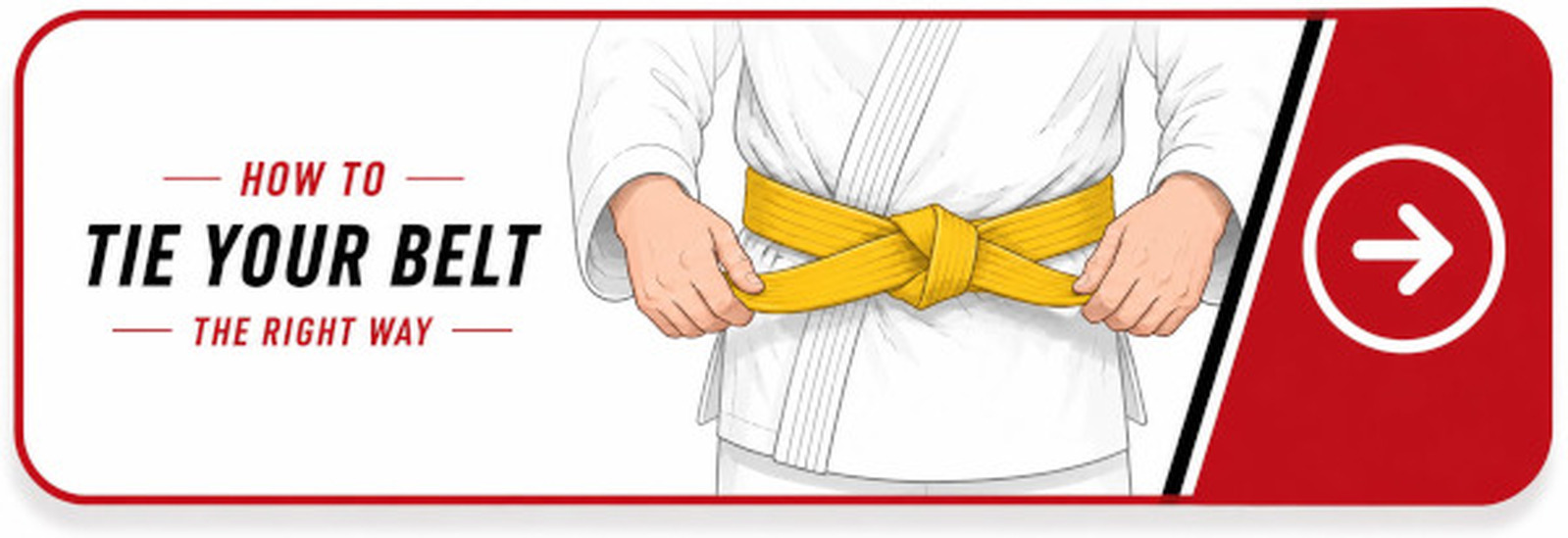
A properly tied belt is more than just part of the uniform—it’s one of the first skills every young judoka should learn. A neat, secure gi helps your child stay comfortable during practice, builds independence, and teaches respect for the traditions of judo.
Everything You Need to Know
Find answers to the most common questions about training, memberships, uniforms, rank promotions, competitions, and more.
REACH YOUR FULL POTENTIAL — ON & OFF THE MAT
Getting Started
Children can begin their journey at 3 years old.
For our youngest students, we offer FREE introductory classes lasting approximately 20–30 minutes once a week. These classes are designed to help children become comfortable in the training environment, interact with other children, and develop a positive relationship with physical activity before joining our regular programs.
No previous martial arts experience is required.
However, children who have participated in any sport often adapt more quickly because they are already familiar with following instructions, working in a group, and staying active.
Our coaches work with every student individually, regardless of their experience level.
Absolutely.
Many of our adult students begin with no previous martial arts experience.
Every class starts with a structured warm-up that includes movement preparation, mobility exercises, and drills that gradually build the skills needed for throws and grappling. This allows beginners to learn safely, confidently, and at their own pace.
For the first class, your child simply needs to follow along and do their best. If any exercise is too challenging, our coaches will provide an easier progression so every student can participate successfully.
Please bring:
✔ Comfortable athletic clothing (clean indoor clothing only)
✔ Flip-flops or sandals
✔ A water bottle
Outdoor clothing and shoes are not permitted on the tatami.
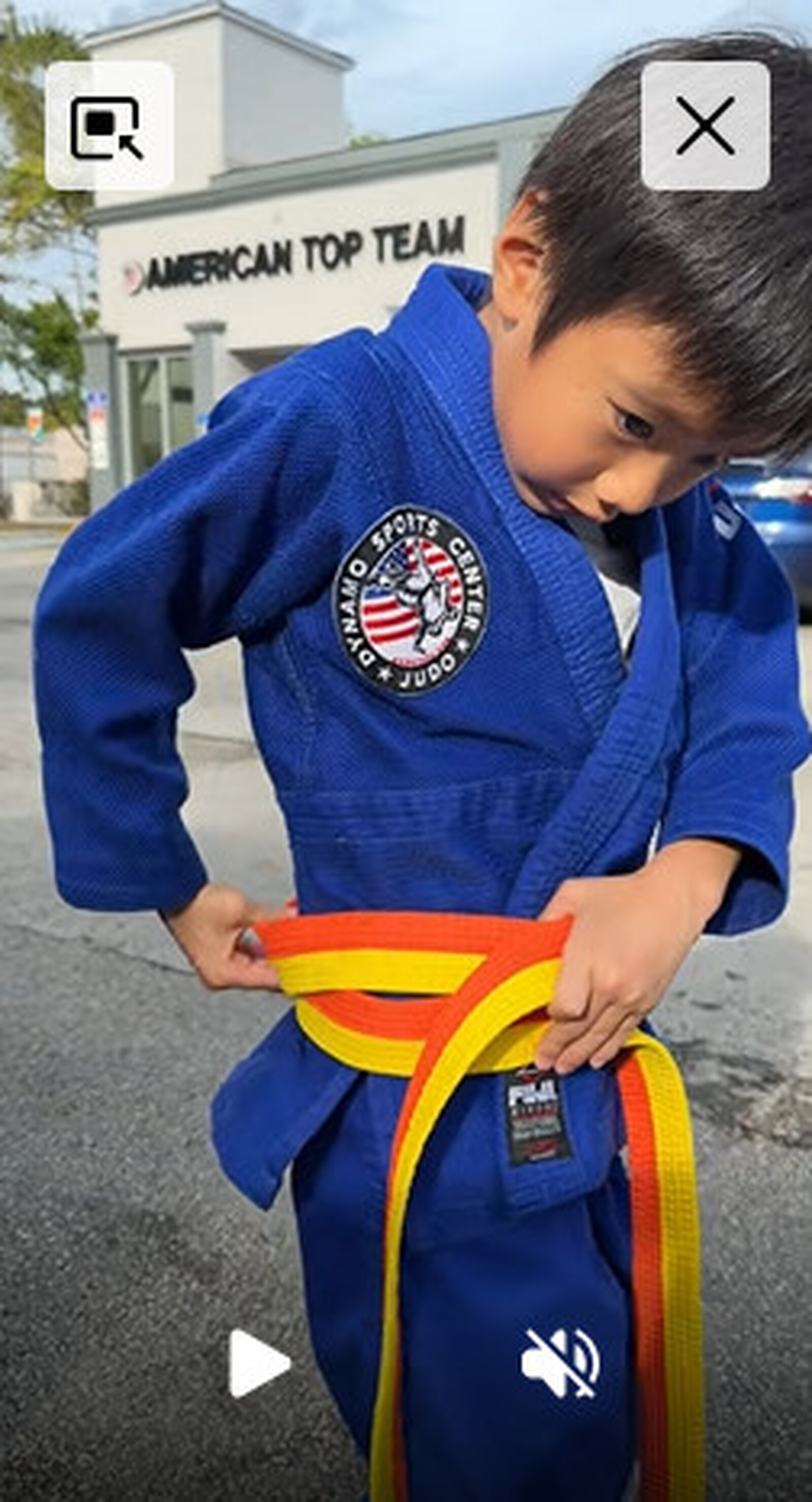
If your child already owns a uniform and plans to continue training, we encourage parents to teach them how to tie their own belt before class. Learning to prepare independently is an important part of every student's development.
Yes.
Please complete our online registration form before attending your trial class.
After registering, you will receive a confirmation email with detailed information about your visit, including what to bring and what to expect.

We offer 2 FREE trial classes.
Because we have multiple classes for different age groups and skill levels, we encourage families to attend more than one class. This allows both parents and students to experience different training groups while our coaches recommend the program that best fits your child's age, experience, and goals.
Need our logos? You can download them using the link below.

Download the official Dynamo Sports Center logo for approved promotional and media use.
Judo is more than a sport—it's a way to build confidence, respect, discipline, and strong character. These short videos introduce children to the core values of judo through fun and engaging stories. Watch them together with your child and discover lessons that extend far beyond the mat. At Dynamo Sports Center, these values are part of every class we teach.
The Dynamo Method
REACH YOUR FULL POTENTIAL — ON & OFF THE MAT
Raising Strong, Confident, and Successful Children Through Movement
One of the most important decisions parents make is how their child will spend the first years of life outside of school.
Many parents focus on academics, believing that reading, mathematics, and technology are the most important skills a child can develop. While education is essential, years of coaching experience show that physical activity plays an equally important role in a child's development.
At Dynamo Sports Center, we believe that sport is much more than exercise.
Sport teaches children how to think, solve problems, overcome difficulties, work with others, manage emotions, and build confidence that lasts for life.
Children are not born confident.
Confidence is built through experience.
Every challenge they overcome becomes another reason to believe in themselves.
That is exactly what martial arts provide.
Childhood Is the Best Time to Build Athletic Foundations
The human brain and body develop rapidly during childhood.
During these early years, children learn movement faster than at almost any other period of life.
Running.
Jumping.
Balancing.
Rolling.
Falling.
Changing direction.
Coordinating both sides of the body.
All of these movements strengthen the connection between the brain and the body.
The more varied movement experiences children have, the stronger these connections become.
Skills developed during childhood often remain with children for the rest of their lives.
Why Movement Builds the Brain
Many parents think sport develops muscles.
In reality, sport develops the brain first.
Every movement requires the brain to process information. Children constantly calculate:
Where am I?
Where is my partner?
How should I move?
When should I react?
How do I stay balanced?
How do I solve this problem?
Martial arts require children to make hundreds of small decisions during every practice.
Each decision strengthens attention, reaction time, coordination, memory, and problem-solving ability.
This is one of the reasons why Judo is such a powerful developmental activity for children.
Modern Childhood Looks Very Different
Children today spend far more time sitting than previous generations.
School.
Homework.
Phones.
Tablets.
Video games.
Television.
Social media.
Technology has brought many advantages, but it has also reduced the amount of natural movement children experience every day.
The human body was designed to move.
Children need opportunities to run, climb, jump, fall, wrestle, laugh, compete, and explore.
Without movement, many important physical and mental skills develop more slowly.
Sport Teaches Lessons School Cannot
Schools teach mathematics.
Schools teach reading.
Schools teach science.
Sport teaches something different.
It teaches persistence.
Responsibility.
Discipline.
Courage.
Leadership.
Respect.
Self-control.
These qualities cannot simply be explained.
They must be experienced.
A child becomes disciplined by showing up consistently.
A child becomes confident by overcoming challenges.
A child becomes resilient by learning how to lose and try again.
These lessons stay with them long after childhood ends.
More Than Winning
Many parents ask us: "Will my child become a champion?"
Our answer is always the same.
That depends on how the child defines success.
At Dynamo Sports Center, success is not measured only by medals.
Success is measured by the person a child becomes.
We want every student to leave our academy stronger than when they arrived.
Not only physically.
Mentally.
Emotionally.
Socially.
Academically.
As a future adult.
Sport Builds Habits That Last a Lifetime
Children who learn discipline through sport begin understanding something very important.
Results come from consistent effort.
They learn to prepare.
To arrive on time.
To organize their equipment.
To respect coaches.
To respect teammates.
To respect themselves.
These habits eventually transfer into school, careers, relationships, and family life.
Why We Believe Every Child Should Play Sports
Not every child will become an Olympic Champion.
Not every child will become a professional athlete.
But every child deserves the opportunity to become healthier, stronger, more confident, and more prepared for life.
That is why we believe every child should participate in sport.
The specific sport is important.
But building a lifelong love of movement is even more important.
The Dynamo Philosophy
At Dynamo Sports Center, we do not simply teach martial arts.
We help children develop the habits, discipline, confidence, and character that will serve them for the rest of their lives.
Every practice.
Every challenge.
Every competition.
Every success.
Every setback.
All become opportunities to grow.
Because our mission has never been simply to create better athletes.
Our mission is to help children become exceptional adults.
Why Starting Early Gives Children an Advantage for Life
One of the most common questions parents ask is: "What is the best age for my child to start martial arts?"
The answer surprises many families.
The best age is not when a child becomes physically strong.
The best age is when a child is ready to learn.
At Dynamo Sports Center, we believe that every stage of childhood has its own purpose.
Our goal is never to rush development.
Our goal is to guide it.
Children should enjoy every step of their athletic journey while building skills that will stay with them for life.
Ages 3–4: Learning to Love Movement
Many parents believe martial arts begin with throwing, sparring, or competition.
We believe they begin with movement.
For our youngest children, training is not about learning dozens of techniques.
It is about becoming comfortable in a new environment.
Meeting other children.
Listening to a coach.
Learning simple games.
Running.
Jumping.
Rolling.
Laughing.
Most importantly, learning that sport is fun.
This is why we offer a free introductory class for three-year-olds.
These classes are short, engaging, and carefully designed for young attention spans.
Children participate in the group warm-up, interact with others, and slowly become comfortable inside the dojo.
There is no pressure.
No expectations.
No competition.
Only positive experiences.
When children enjoy their first experience in sport, they are much more likely to stay active for life.
Ages 4–6: Building the Foundation
Between four and six years old, children begin developing greater body awareness.
This is the ideal time to introduce fundamental athletic skills.
Balance.
Coordination.
Rolling.
Jumping.
Falling safely.
Basic movement patterns.
Simple Judo techniques.
At this age, every lesson is presented through games and positive challenges.
Children often do not even realize how much they are learning because they are having fun.
This is exactly how young children learn best.
Our focus is never on winning.
Our focus is on developing confident movers.
Ages 7–10: The Golden Learning Years
This is one of the most important periods in athletic development.
Children can now understand instructions more clearly.
They remember techniques faster.
They become more coordinated.
They begin solving tactical problems during practice.
Most importantly, they begin understanding discipline.
Training becomes more structured.
Students learn combinations.
Partner drills.
Throwing techniques.
Groundwork.
Competition preparation.
They also begin earning belts through demonstrated knowledge and consistent effort.
This age is where confidence truly starts to grow.
Ages 11 and Older: Building Future Champions
As children mature, training naturally becomes more demanding.
Not because coaches expect more.
Because children are ready for more.
Strength develops.
Endurance improves.
Focus increases.
Students begin setting personal goals.
Preparing for tournaments.
Learning advanced techniques.
Helping younger students.
Developing leadership qualities.
The habits built during the early years now begin producing visible results.
Is It Ever Too Late?
Absolutely not.
One of the biggest myths in martial arts is that children must begin very young to succeed.
Starting early certainly provides advantages.
But determination is often more important than age.
Many outstanding athletes started later than expected.
Children who begin at ten, twelve, or even older can still achieve remarkable success.
The most important step is simply beginning.
Previous Sports Experience Helps
Parents often ask whether previous sports experience matters.
The answer is yes.
Any sport helps.
Swimming.
Soccer.
Gymnastics.
Basketball.
Tennis.
Track and field.
Children who have participated in physical activities usually have better coordination, stronger muscles, and greater body awareness.
However, children with no sports background should not worry.
Our beginner program is specifically designed for them.
We spend extra time developing strength, mobility, flexibility, coordination, and body control before introducing more advanced techniques.
Every child progresses at their own pace.
Every Child Develops Differently
One of the most important lessons for parents is understanding that children should never be compared to one another.
Some children develop coordination early.
Others become stronger later.
Some learn quickly.
Others require more repetition.
All of these differences are normal.
Our responsibility as coaches is to help every child become the best version of themselves—not a copy of someone else.
Patience Creates Long-Term Success
Many parents want immediate results.
They want their child to become confident within weeks.
To earn belts quickly.
To win tournaments immediately.
Real development does not work that way.
Confidence grows one practice at a time.
Discipline grows one habit at a time.
Character grows one challenge at a time.
The strongest athletes are rarely built overnight.
They are built through years of consistent effort.
The Dynamo Philosophy
At Dynamo Sports Center, we never ask, "How quickly can this child become a champion?"
Instead, we ask, "How can we help this child reach their full potential?"
Every age has a purpose.
Every practice has a purpose.
Every challenge has a purpose.
When children enjoy the journey, they stay in sport longer.
When they stay longer, they become stronger.
Not only as athletes.
But as people.
Because our goal has never been to create champions as quickly as possible.
Our goal is to build confident, disciplined, respectful young people who will succeed throughout life.
The First Skill Every Child Should Master
If you ask most parents what children learn first in Judo, many will answer: "Throws."
In reality, they do not.
The very first skill every child learns is how to fall safely.
At Dynamo Sports Center, we believe this is one of the most valuable life skills a child can ever develop.
Before a child learns how to throw another person, they must first learn how to protect themselves.
Because every child will fall.
Not every child will become a champion.
But every child will fall.
Falling Is Part of Life
Children fall while learning to walk.
They fall while running.
They fall from bicycles.
They fall while skating.
They fall playing soccer.
They fall on playgrounds.
They slip on wet floors.
They trip over toys.
Falling is unavoidable.
The real question is not if a child will fall.
The question is how they will fall.
Children who understand body control naturally protect themselves.
Children who panic often become stiff, reach with their hands, or land in unsafe positions.
Learning proper falling technique dramatically reduces the risk of injury.
Ukemi — The Art of Falling
In Judo, safe falling is called Ukemi.
It is not simply a warm-up exercise.
It is one of the foundations of the entire martial art.
Students learn: Back breakfalls, side breakfalls, forward breakfalls, rolling falls, how to protect the head, how to distribute impact across the body, how to stay relaxed during a fall.
These movements are practiced hundreds—and eventually thousands—of times.
Over time, they become automatic.
Children no longer need to think about how to fall.
Their bodies already know.
Protection Before Attack
Many sports teach children how to score.
Martial arts should first teach children how to stay safe.
At Dynamo Sports Center, safety always comes before performance.
A child should never practice throwing until they have demonstrated safe falling skills.
This philosophy protects not only the child receiving the throw, but also the child performing it.
Both students become more confident.
Both improve faster.
Both train more safely.
A Skill That Lasts a Lifetime
One of the greatest advantages of learning Ukemi is that children continue using it long after they stop competing.
A teenager falls while skateboarding.
An adult slips on ice.
A parent trips while carrying groceries.
The body remembers.
Just like riding a bicycle, safe falling becomes automatic.
Many former Judo athletes still instinctively perform breakfalls decades after their last practice.
That habit can prevent serious injuries throughout life.
Confidence Comes From Safety
Children who know how to fall are not afraid to move.
They jump higher.
They run faster.
They explore more confidently.
Because they trust their bodies.
Fear disappears when preparation increases.
This confidence allows children to learn new techniques much faster.
Instead of worrying about falling, they focus on improving.
Why We Spend So Much Time Practicing Falls
Some parents wonder why beginners spend weeks practicing what appears to be a simple exercise.
The answer is simple.
Because it is not simple.
It is fundamental.
Without safe falling: there is no confidence. Without confidence: there is no progress.
The stronger the foundation, the higher the child can build.
Every great Judoka begins with Ukemi.
Every confident athlete begins with body control.
Every safe training environment begins with preparation.
Lessons Beyond the Dojo
Ukemi teaches much more than physical safety.
It teaches children that making mistakes is normal.
Falling is not failure.
Staying down is.
Every time children fall during practice, they stand back up.
Again.
And again.
And again.
Without fear.
Without embarrassment.
Without giving up.
That lesson extends far beyond martial arts.
Children begin understanding that setbacks are temporary.
The important thing is always getting back up.
The Dynamo Philosophy
At Dynamo Sports Center, we never rush technique.
We build strong foundations first.
Before children learn how to throw… they learn how to land.
Before they learn how to win… they learn how to protect themselves.
Because our mission is not simply to teach Judo.
Our mission is to prepare children for life.
And one of life's greatest lessons is simple: Everyone falls. Successful people learn how to get back up.
The Secret Behind Long-Term Success
One of the biggest misconceptions in sports is that champions are born with extraordinary talent.
Parents often watch gifted children and think, "My child simply isn't as talented."
As coaches, we see something very different.
Talent may help a child start faster.
Discipline helps a child finish stronger.
Throughout our coaching careers, we have seen many naturally gifted children leave the sport.
At the same time, we have watched average beginners become outstanding athletes through years of consistent effort.
Talent may open the first door.
Discipline opens every door after that.
Talent Is a Gift. Discipline Is a Choice
Some children naturally learn techniques quickly.
Some are stronger.
Some are faster.
Some have exceptional balance.
These are wonderful advantages.
But they are only the starting point.
Every training session asks the same question: Who is willing to work today?
Eventually, effort catches talent.
Then it passes it.
The Child Who Never Gives Up
Imagine two students.
The first performs fifteen pull-ups easily. He smiles, steps down, and stops because the assignment is finished.
The second child can only perform five pull-ups. Every repetition is difficult. Their arms shake. They struggle until they physically cannot do one more.
Who worked harder?
The answer is obvious.
Months later, that second child often becomes stronger.
Not because they had more talent.
Because they developed something far more valuable: the habit of giving their best effort.
Success Is Built on Small Habits
Children do not become champions because of one great practice.
They become champions because of thousands of ordinary ones.
Arriving on time.
Bringing the correct equipment.
Listening carefully.
Trying again after making mistakes.
Helping teammates.
Respecting coaches.
Doing the warm-up seriously.
These habits may seem small.
Together, they create extraordinary athletes.
Winning Begins Before Practice
Discipline starts long before children step onto the mat.
It begins at home.
Getting enough sleep.
Eating healthy food.
Packing their training bag.
Arriving prepared.
Showing respect for the opportunity to train.
Athletes who prepare well usually perform well.
Preparation creates confidence.
Confidence creates performance.
Learning to Love Hard Work
Children should never fear difficult training.
Hard work is not punishment.
It is the path toward improvement.
At Dynamo Sports Center, we celebrate effort just as much as achievement.
We praise children who continue trying. Who refuse to quit. Who ask questions. Who accept corrections.
Because these are the qualities that create future leaders.
What Happens After Losing?
Many children believe losing means they are not good enough.
We teach something different.
Losing is information.
It tells us what to improve.
Every competition gives us answers. Which techniques worked? Which techniques need more practice? What should we focus on next week?
Failure is not the opposite of success.
It is part of success.
Confidence Is Earned
True confidence cannot be given.
It cannot be bought.
It cannot be taught through words alone.
Confidence is earned.
Every difficult workout completed. Every challenge overcome. Every fear faced. Every time a child chooses not to quit.
That is where confidence grows.
Preparing Children for Life
Sport is only one chapter of a child's life.
Eventually they will become adults.
They will build careers. Families. Businesses. Communities.
The same discipline that helps a child earn a black belt will later help them graduate from university. Build a successful career. Become a dependable parent. Lead others with integrity.
The lessons learned on the mat never stay only on the mat.
The Dynamo Philosophy
At Dynamo Sports Center, we never ask our students to be perfect.
We ask them to give their best.
Every practice. Every drill. Every competition.
Some days they will win. Some days they will lose.
But if they continue showing up with discipline, respect, and determination, success becomes only a matter of time.
Because talent may impress people.
But discipline changes lives.
Confidence Is the Best Form of Self-Defense
One of the biggest reasons parents enroll their children in martial arts is simple.
They want their child to be safe.
Every parent worries about bullying. About peer pressure. About negative influences. About what may happen when they are not there to protect their child.
These concerns are completely natural.
But many parents believe martial arts teach children how to fight.
That is not our goal.
At Dynamo Sports Center, our goal is much bigger.
We teach children how to become confident.
Because confident children rarely need to prove themselves.
Confidence Changes Everything
Children who believe in themselves behave differently.
They walk differently. They communicate differently. They make eye contact. They stand tall. They speak calmly. They don't panic under pressure.
Bullies usually look for easy targets.
Children who appear frightened, insecure, or unsure of themselves often attract unwanted attention.
Confident children send a completely different message. Without saying a word, they communicate: "I respect myself."
That confidence alone prevents many conflicts before they even begin.
Real Strength Is Self-Control
Many people think strength means being able to hurt someone.
We believe true strength means being able to control yourself.
The strongest child is not the one who starts fights.
The strongest child is the one who knows when not to fight.
At Dynamo Sports Center, we teach that the best fight is the one that never happens.
Walking away is often the strongest decision a person can make.
It requires confidence. It requires maturity. It requires self-control.
Martial Arts Teach Calmness Under Pressure
Every training session places children in challenging situations.
Someone is trying to throw them. Control them. Sweep them. Take their balance.
At first, many children panic.
Over time, something remarkable happens.
They learn to stay calm.
Instead of reacting emotionally, they begin thinking. They breathe. They analyze. They solve problems.
This ability transfers directly into everyday life.
Whether facing an exam, a difficult conversation, or a stressful situation, they learn not to panic.
Confidence Without Aggression
Parents sometimes worry that martial arts will make children more aggressive.
In reality, we often see the opposite.
Children who feel confident no longer need to prove they are strong.
They don't argue as much. They don't feel the need to impress others.
They become calmer. More respectful. More patient.
Because real confidence is quiet.
Only insecurity constantly demands attention.
Learning to Protect Others
Martial arts are not only about protecting yourself.
They are about protecting people who cannot protect themselves.
Children learn to stand up for classmates. To help younger students. To show respect to everyone.
Strength always comes with responsibility.
The more capable children become, the more important kindness becomes.
That is one of the core values of Judo.
Using Skills Only When Necessary
We teach our students one simple rule.
Martial arts should never be used to show off. Never to intimidate. Never to bully.
Physical skills should only be used when there is no other safe option.
Whenever possible, children should walk away. Seek help. Avoid conflict.
Only when someone's safety is truly at risk should physical self-defense become necessary.
Self-defense is about protection. Never about revenge.
Confidence Lasts a Lifetime
Winning a medal feels wonderful. Earning a belt is exciting.
But confidence lasts much longer.
Confident children become confident teenagers. Confident teenagers become confident adults.
They speak more comfortably. Lead more naturally. Build stronger relationships. Accept challenges. Recover from failure more quickly.
Confidence becomes part of who they are.
That is one of the greatest gifts sport can provide.
The Dynamo Philosophy
At Dynamo Sports Center, we are not preparing children to win fights.
We are preparing them to avoid unnecessary ones.
We are building children who remain calm under pressure. Who respect others. Who protect themselves without aggression. Who understand that true strength begins with character.
Because confidence is not about believing you can defeat everyone.
It is about knowing who you are—even when life becomes difficult.
That confidence cannot be taken away.
It is earned. One practice at a time. One challenge at a time. One lesson at a time.
Winning Is Wonderful. Growing Is Even More Important.
For many parents, the word competition creates anxiety.
They worry their child is too young. Too inexperienced. Too sensitive.
They worry about losing. About disappointment. About pressure.
These concerns are completely understandable.
At Dynamo Sports Center, however, we see competitions differently.
Competitions are not simply about medals.
They are opportunities for children to discover who they are.
Competition Is a Test of Preparation
A tournament does not create a champion.
It reveals preparation.
Every practice. Every warm-up. Every repetition. Every correction from a coach. Every early bedtime. Every healthy meal. Every moment of discipline.
Competition simply gives children an opportunity to demonstrate everything they have been working toward.
The result is never an accident.
It reflects preparation.
The First Competition Should Feel Like a Celebration
One of the biggest mistakes adults make is treating a child's first competition like a championship.
Children remember their first tournament for the rest of their lives.
That memory should be positive.
At Dynamo Sports Center, we carefully prepare beginners before they compete.
We organize internal tournaments. We group children by age, size, and experience.
Our goal is simple. We want every child to leave believing: "I want to do this again."
That feeling is far more valuable than any medal.
Winning Is Not the Only Goal
Every child wants to win. That is natural. Winning feels wonderful.
But winning is not the only measure of success.
Sometimes a child loses despite performing beautifully.
Sometimes they defeat a stronger opponent through determination.
Sometimes the greatest victory is simply stepping onto the mat despite feeling nervous.
We celebrate courage. Effort. Respect. Determination.
Those victories last much longer than trophies.
Losing Is One of the Greatest Teachers
Parents often fear defeat.
Coaches understand something different.
Defeat teaches lessons victory never can.
It shows where improvement is needed. It teaches humility. Patience. Perseverance. Resilience.
Every champion has lost many times.
The difference is simple.
Champions never stop learning.
What Parents Should Say After Competition
After every tournament, children usually ask only one question: "Are my parents proud of me?"
Our advice is simple. Whether your child wins or loses, tell them: "We're proud of you for your effort."
Do not focus only on medals.
Praise courage. Preparation. Sportsmanship. Character.
These are the qualities that matter most.
Medals eventually collect dust. Character lasts forever.
Competition Teaches Emotional Control
Competition is not only physical.
It is emotional.
Children learn how to manage excitement. Nervousness. Pressure. Expectation. Disappointment. Joy.
Every tournament becomes a lesson in emotional intelligence.
These skills later help children during school exams, job interviews, public speaking, and many other important moments in life.
Every Competition Is a Lesson
After each tournament, we ask simple questions.
What did we do well? What can we improve? What should we practice next?
There is never failure.
Only feedback.
Every tournament becomes another step forward.
The Dynamo Philosophy
At Dynamo Sports Center, competitions are not the destination.
They are part of the journey.
Children do not compete to prove their value.
They compete to discover their potential.
Some days they win. Some days they lose. Every single time, they grow.
Because the greatest victory is not standing on the podium.
The greatest victory is becoming a stronger person than you were yesterday.
Small Improvements Every Week Become Extraordinary Results Over Time
One of the first questions parents ask is: "How long will it take before I see results?"
The honest answer is simple.
Some changes happen within the first few weeks. Others take months.
The biggest transformations usually become obvious after one year of consistent training.
The change is rarely dramatic overnight.
Instead, it happens one practice at a time. One lesson at a time. One challenge at a time.
Then one day, parents suddenly realize: "My child has become a completely different person."
A Stronger Body
The first changes are physical.
Children become stronger. Their posture improves. Their balance improves. Their coordination becomes more natural.
Simple movements become easier. Running. Jumping. Rolling. Climbing.
Their muscles develop naturally through movement rather than isolated exercise.
More importantly, those muscles begin protecting their joints and bones.
Children move with greater confidence because their bodies become stronger every week.
Better Coordination
Coordination is one of the greatest gifts children receive from Judo.
Every throw. Every fall. Every movement. Every grip. Every change of direction. Requires the brain and body to work together.
After months of practice, parents often notice that their child moves differently. More smoothly. More confidently. More efficiently.
These improvements help not only in martial arts but also in every other sport children may choose in the future.
Greater Confidence
Perhaps the biggest change is confidence.
Children stop doubting themselves.
They begin volunteering answers at school. Making new friends. Trying new activities. Speaking more confidently. Standing taller. Looking people in the eye.
Confidence grows because children repeatedly overcome difficult situations.
Every challenge completed becomes proof that they are capable of more than they once believed.
Better Discipline
Children begin understanding responsibility.
They remember to pack their training bag. They learn to tie their belt. They take care of their uniform. They arrive prepared.
They begin organizing themselves without constant reminders.
These habits often transfer naturally into school and home life.
Parents frequently tell us that their children become more responsible in many areas outside the dojo.
Emotional Strength
Children still experience disappointment. They still feel nervous before competitions. They still make mistakes.
The difference is how they respond.
Instead of giving up, they recover faster.
Instead of becoming frustrated, they begin searching for solutions.
They learn that every problem has an answer if they continue working.
That lesson becomes incredibly valuable throughout life.
Respect Becomes Natural
Respect is not taught through lectures.
It is developed through daily habits.
Children bow before entering the mat. They greet their coaches. They thank their training partners. They listen when others are speaking.
Over time, these actions become part of their personality.
Respect becomes natural rather than forced.
They Learn That Success Requires Work
Perhaps the most valuable lesson of all is this: Results never happen by accident.
Children begin understanding that improvement comes from consistency. Not luck. Not shortcuts. Not talent alone.
Hard work becomes normal. Effort becomes expected.
This mindset prepares children not only for sports but for every challenge they will face as adults.
The Greatest Transformation
After one year, most parents notice something surprising.
Their child has not simply learned Judo.
Their child has become more confident. More disciplined. More respectful. More independent. More resilient.
The techniques are important.
But the person their child becomes is far more important.
The Dynamo Philosophy
At Dynamo Sports Center, we are not counting belts.
We are not counting medals.
We are measuring something much more meaningful. The person each child is becoming.
Because one year of training is not simply one year of learning martial arts.
It is one year of building habits. Building confidence. Building character. Building a stronger future.
That is the true purpose of every practice.
Build the Foundation Before Building the House
Parents often ask us: "Why does Dynamo Sports Center begin with Judo instead of MMA or Brazilian Jiu-Jitsu?"
The answer is simple.
Every great athlete needs a strong foundation.
Before children learn advanced techniques, submissions, or striking, they should first learn how to move.
Judo builds that foundation.
Without a foundation, progress is limited.
With a strong foundation, every future skill becomes easier to learn.
Judo Teaches the Hardest Skill First
The most difficult physical skill for a child is not punching. It is not kicking. It is not submitting an opponent.
The hardest skill is coordination.
Judo requires children to move their entire body as one unit.
They learn balance. Timing. Distance. Footwork. Grips. Reaction. Movement.
Every throw combines all of these elements together.
That is why Judo develops coordination better than almost any other martial art.
Learning to Fall Before Learning to Throw
Before children throw someone else, they first learn how to protect themselves.
Safe falling is the first lesson in Judo.
Children practice breakfalls hundreds of times before performing throws with a partner.
This creates confidence. It reduces injuries. It allows children to progress safely.
At Dynamo Sports Center, safety is always the first priority.
Technique Before Strength
One of the greatest lessons in Judo is that technique is more powerful than strength.
A smaller athlete with excellent technique can often control someone much larger.
Children quickly understand that success comes from practice—not from being the biggest or strongest.
This mindset changes the way they approach challenges throughout life.
Judo Creates Complete Athletes
After several years of Judo, children develop outstanding movement skills.
They become balanced. Coordinated. Fast. Strong. Confident.
Because of these qualities, transitioning into Sambo, Wrestling, Brazilian Jiu-Jitsu, or MMA becomes much easier.
Many of the world's greatest martial artists started their journey with Judo.
Sambo and MMA Become Easier
When students already understand balance, grips, throws, and body control, learning additional martial arts becomes much more natural.
Adding submissions in Sambo. Learning ground fighting in Brazilian Jiu-Jitsu. Adding striking in MMA.
All of these skills build upon the movement patterns children already developed through Judo.
Instead of learning everything at once, they build one skill upon another.
That approach produces better athletes and reduces unnecessary injuries.
More Than a Sport
Judo teaches much more than throws.
It teaches patience. Respect. Discipline. Responsibility. Humility. Self-control.
Children learn to bow before stepping onto the mat. To respect their training partners. To listen before acting. To stay calm under pressure.
Those lessons remain long after the final competition.
The Dynamo Philosophy
At Dynamo Sports Center, we don't teach Judo because it is easy.
We teach it because it gives children the strongest possible foundation.
First they learn to move. Then they learn to fall. Then they learn to throw. Then they learn to compete.
Only after that do they continue into Sambo, Brazilian Jiu-Jitsu, or MMA.
Every stage has a purpose. Every lesson builds on the previous one.
That is how great athletes are developed.
More importantly, that is how confident, disciplined, and successful people are built.
Why We Don't Rush Childhood
One of the biggest mistakes in youth sports is trying to produce champions too early.
Parents often believe that if a child trains harder, competes more, and wins more tournaments at six or seven years old, they will automatically become a champion as an adult.
Unfortunately, that is not how athletic development works.
At Dynamo Sports Center, we think differently.
We are not trying to create the best eight-year-old.
We are preparing the best eighteen-year-old.
That changes everything.
Childhood Is Not a Race
Children develop at different speeds.
Some grow earlier. Some become stronger later. Some mature physically before their friends. Others catch up years later.
Comparing children too early often creates unnecessary pressure.
Instead of asking, "Who is the best today?" we ask, "Who will still love training ten years from now?"
Because long-term success belongs to those who stay in the sport.
Every Age Has a Purpose
A four-year-old should learn to enjoy movement. A six-year-old should build coordination. An eight-year-old should develop discipline. A ten-year-old should improve technique. A teenager should learn to train seriously.
Every stage builds the next.
Skipping steps creates weaknesses that become difficult to fix later.
Patience is part of coaching.
More Training Is Not Always Better
Many parents believe that training five or six days a week will automatically create faster progress.
For young children, that is often not true.
Children need time to recover. To play. To spend time with family. To enjoy being children.
Our goal is to build lifelong athletes—not children who become exhausted before they reach their full potential.
That is why our training volume increases gradually with age.
Building Toward the Peak
The most important years for athletic performance usually come during the late teenage years and early adulthood.
That is when strength, endurance, coordination, and emotional maturity come together.
Everything children learn before that point is preparation.
Every warm-up. Every fall. Every throw. Every competition. Every lesson. All of it builds toward the future.
Great champions are not created in one season. They are built over many years.
Success Cannot Be Rushed
Some children earn medals early. Others develop later.
Neither path guarantees future success.
The athletes who reach the highest level usually share something much more important than early victories.
They stay healthy. They remain motivated. They continue learning. They continue improving. Year after year.
That consistency is what produces excellence.
Trust the Process
Parents naturally want quick results.
We understand that.
But true development cannot be rushed.
Confidence takes time. Character takes time. Leadership takes time.
Just like building a strong house, building a strong person begins with a solid foundation.
The process matters. Trust it.
The Dynamo Philosophy
At Dynamo Sports Center, we never sacrifice a child's future for short-term success.
Every decision we make is based on one question: "Will this help this child become stronger in ten years?"
If the answer is yes, we do it. If the answer is no, we wait.
Because our responsibility is greater than winning the next tournament.
Our responsibility is helping every child become the strongest version of themselves—for life.
Every Day, Become Better Than Yesterday
Many people believe sports are about defeating other people.
Winning tournaments. Collecting medals. Standing on the podium.
These achievements are exciting.
But they are not the true purpose of training.
At Dynamo Sports Center, we believe the greatest opponent every child will ever face is themselves.
Every practice is an opportunity to become stronger than yesterday.
Not stronger than someone else. Stronger than the person you were before.
Comparison Is the Enemy of Growth
Children develop at different speeds.
Some are naturally stronger. Some are taller. Some learn techniques more quickly. Some mature earlier.
If children constantly compare themselves to others, they will either become discouraged or overconfident.
Neither helps them grow.
Instead, we encourage one simple question: "Am I better today than I was yesterday?"
That question creates lifelong learners.
Small Improvements Create Extraordinary Results
Success is rarely the result of one perfect day.
It comes from hundreds of small improvements.
One better throw. One better breakfall. One extra pull-up. One more minute of focus. One healthier meal. One earlier bedtime.
Each improvement seems small.
Together, they transform a child's future.
Progress Looks Different for Everyone
Sometimes progress is visible. A new belt. A medal. A victory.
Sometimes progress cannot be seen. A child who no longer gives up. A student who raises their hand at school. A teenager who believes in themselves.
These victories are often far more important than trophies.
Character grows quietly.
The Power of Consistency
Children often ask, "When will I become really good?"
The answer is simple.
When you continue training after the excitement wears off. When you show up on difficult days. When you practice even after losing. When you keep learning after winning.
Consistency always beats intensity.
The child who trains steadily for years will almost always surpass the child who trains hard for only a few months.
There Will Always Be Someone Better
No matter how successful someone becomes, there will always be another athlete who is faster. Stronger. More experienced.
That should never be discouraging.
It should be inspiring.
Instead of trying to become the best in the world overnight, children should focus on becoming the best version of themselves.
That goal is always within reach.
Excellence Is a Habit
Champions are not exceptional because they occasionally do extraordinary things.
They become exceptional because they consistently do ordinary things well.
They arrive on time. They respect others. They work hard. They stay humble. They continue learning.
These habits eventually create excellence.
The Dynamo Philosophy
At Dynamo Sports Center, we don't measure children only by victories.
We measure them by growth.
Are they more confident? More disciplined? Kinder? Stronger? More resilient?
If the answer is yes, they are already winning.
Because the greatest competition in life is never against another person.
It is against the person you were yesterday.
Win that competition every day, and success will follow.
Medals Fade. Character Lasts Forever.
When parents first bring their child to our academy, they often ask about medals, belts, and competitions.
Those goals are important.
But they are not the most important.
One day every athlete will compete for the last time.
The medals will be placed in a box.
The trophies will gather dust.
The applause will fade.
But the person your child becomes will remain for the rest of their life.
That is why our greatest responsibility is not simply teaching Judo.
It is helping children become extraordinary human beings.
Character Is Built One Practice at a Time
Children are not born disciplined.
They are not born respectful.
They are not born resilient.
These qualities are developed through thousands of small moments.
Showing up on time.
Listening carefully.
Helping a teammate.
Admitting mistakes.
Trying again after failure.
Respecting opponents.
Every practice becomes another lesson in character.
Respect Is Earned Through Action
Respect is one of the first lessons children learn on the mat.
They bow before entering.
They greet their coaches.
They thank their training partners.
They care for their uniform.
They learn that every person deserves respect.
Not because of their age.
Not because of their rank.
But because respect is the foundation of every strong community.
Leadership Begins with Responsibility
Many people believe leaders are born.
We believe leaders are developed.
Leadership begins with simple responsibilities.
Packing your own bag.
Taking care of your equipment.
Helping younger students.
Setting a positive example.
Doing the right thing even when nobody is watching.
These small habits eventually create leaders others trust.
Success Means Helping Others Rise
True success is not measured only by personal achievement.
It is measured by the ability to lift others.
Encouraging teammates.
Supporting beginners.
Celebrating another student's success.
Being humble after victory.
Being gracious after defeat.
These lessons create not only better athletes but better people.
Family Is Part of the Journey
Children achieve their greatest success when coaches and parents work together.
Parents provide love.
Coaches provide guidance.
Children provide effort.
When those three pieces work together, extraordinary things happen.
The strongest athletes almost always have strong families standing behind them.
Our Greatest Victory
Years after children leave the academy, very few people remember how many medals they won.
But everyone remembers how they treated others.
Whether they kept their word.
Whether they worked hard.
Whether they became honest, respectful, dependable adults.
That is our greatest victory.
Not creating champions.
Creating people who make the world better.
The Dynamo Philosophy
At Dynamo Sports Center, we believe every child has incredible potential.
Not only to become a great athlete.
But to become an exceptional person.
If our students leave with confidence, discipline, kindness, integrity, and respect...
Then we have already succeeded.
Because championships may last a season.
Character lasts a lifetime.
Why Sport Is One of the Best Gifts You Can Give Your Child
Every parent wants the same thing.
To see their child healthy.
Happy.
Confident.
Successful.
The question is simple.
How do we help children become that person?
Many parents invest in tutoring.
Music lessons.
Technology.
Private schools.
These are all valuable.
But one investment influences every part of a child's life.
Sport.
Not because every child will become a professional athlete.
But because every child will become an adult.
The habits they build today will shape the person they become tomorrow.
Childhood Cannot Be Replayed
There are moments in life that never return.
Childhood is one of them.
A child who learns discipline at six will carry it for decades.
A child who learns confidence at eight will use it throughout school, university, work, and family life.
Parents often ask,
"Can my child start later?"
Sometimes the answer is yes.
But the years that pass can never be recovered.
The earlier children learn healthy habits, the more natural those habits become.
Sport Teaches What Classrooms Cannot
Schools teach mathematics.
Languages.
Science.
History.
These subjects are important.
Sport teaches different lessons.
How to lose with dignity.
How to win with humility.
How to work with others.
How to stay calm under pressure.
How to keep trying after failure.
How to believe in yourself.
These lessons cannot be learned from a textbook.
They must be experienced.
The Best Investment Has No Expiration Date
New toys eventually break.
Technolo